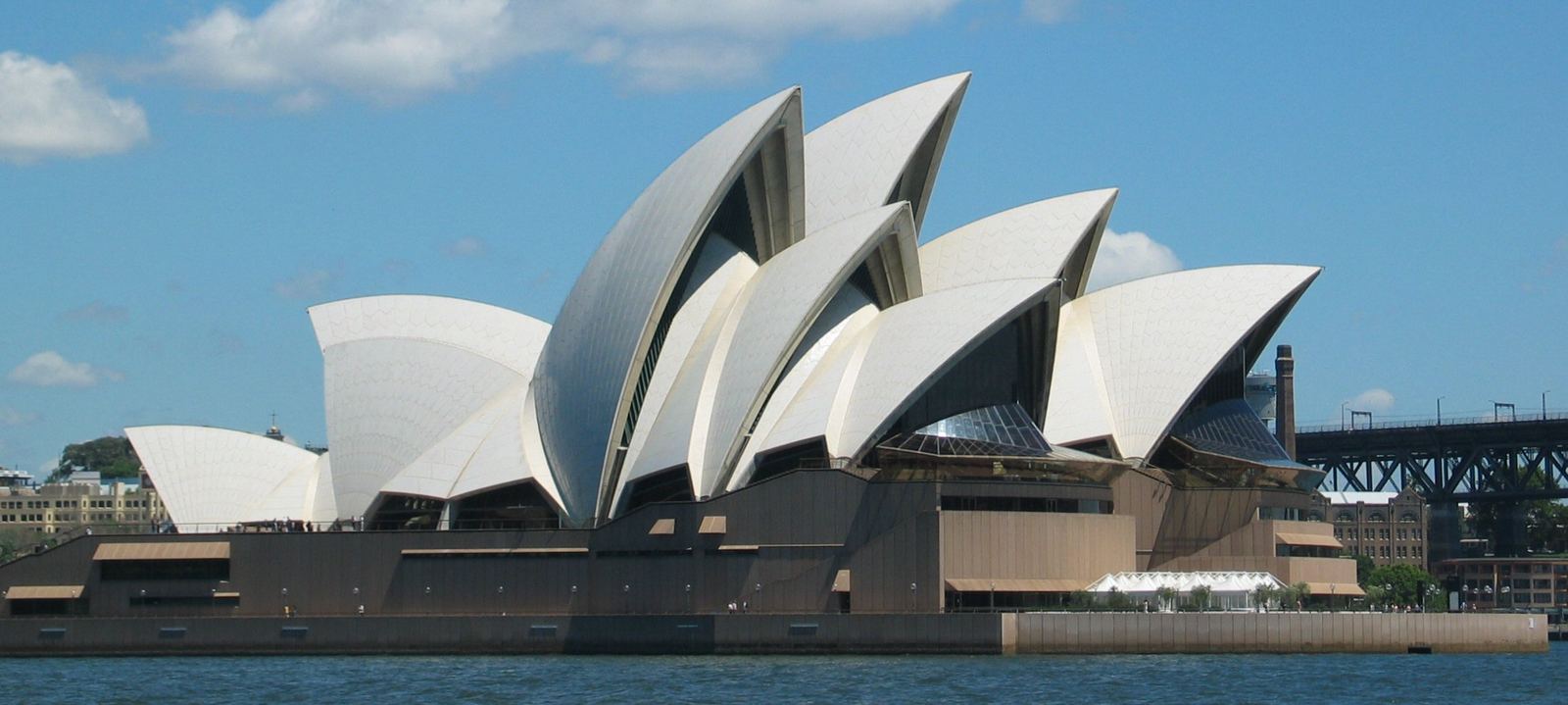
Campervan route
New South Wales
Coast roads, mountain passes, wine country, and Sydney as a rolling base.
Campervan travel guide
State-by-state routes, road rules, fuel costs, phone coverage, free camping spots, and Starlink internet for life on the road.
Planning guides
The main campervan topics now have their own focused pages, so hire, free camping, apps, routes, and costs are easier to compare.
Why campervan?
No timetable, no check-out times. Stay when it is beautiful, move on when you are ready. Australia is easier to enjoy when the route has room for weather, distance, and rest days.
Australia has many legal free and low-cost camps, national park campgrounds, caravan parks, and road-access places. Rules vary by council and park, so check before staying overnight.
Self-catering, free camping, and combining your transport and accommodation into one cost. A well-planned campervan trip can be cheaper than hotels plus rental car combined.
Find your route
Choose the kind of trip you want, then open the state guide that fits.
By state
Campervan route
Coast roads, mountain passes, wine country, and Sydney as a rolling base.
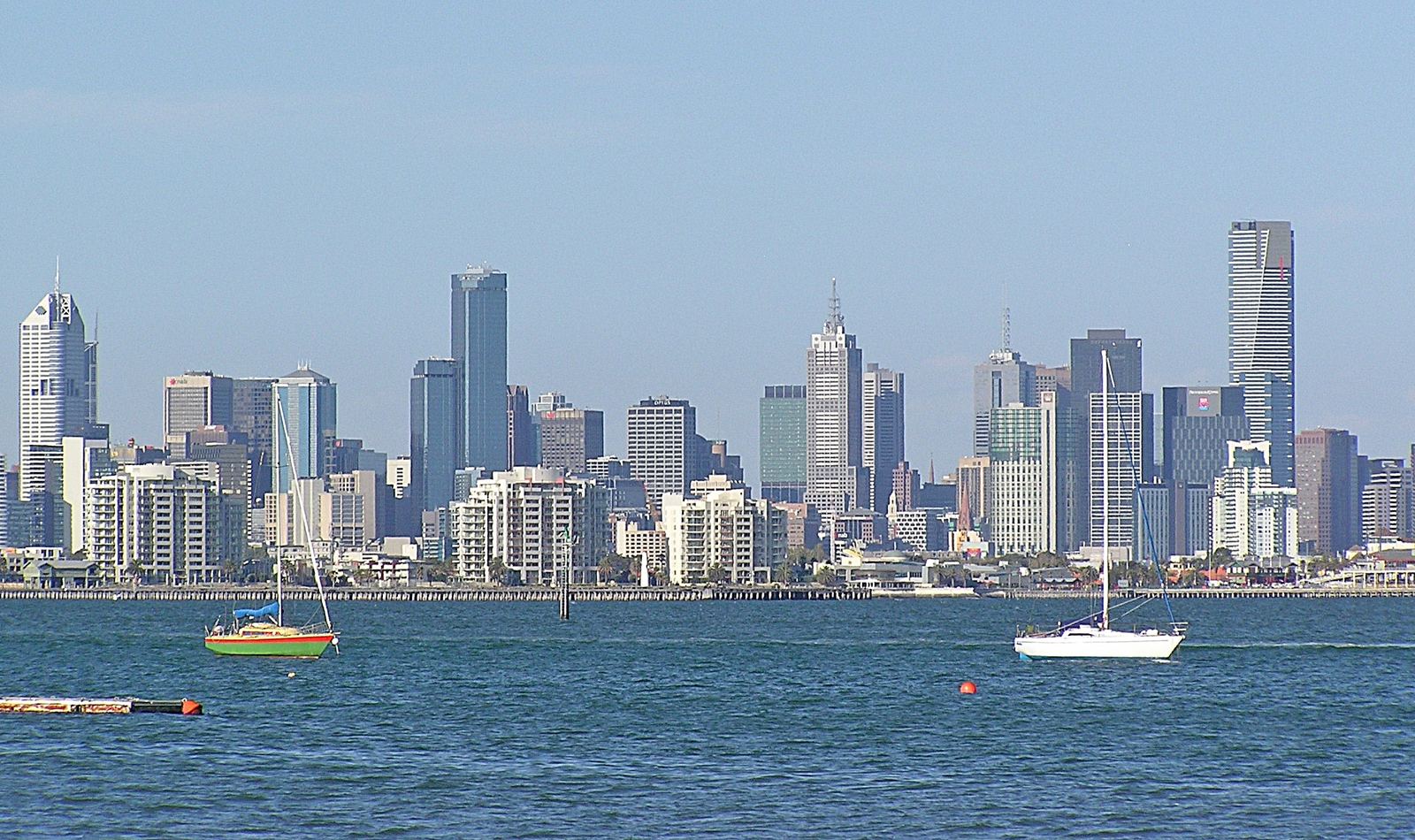
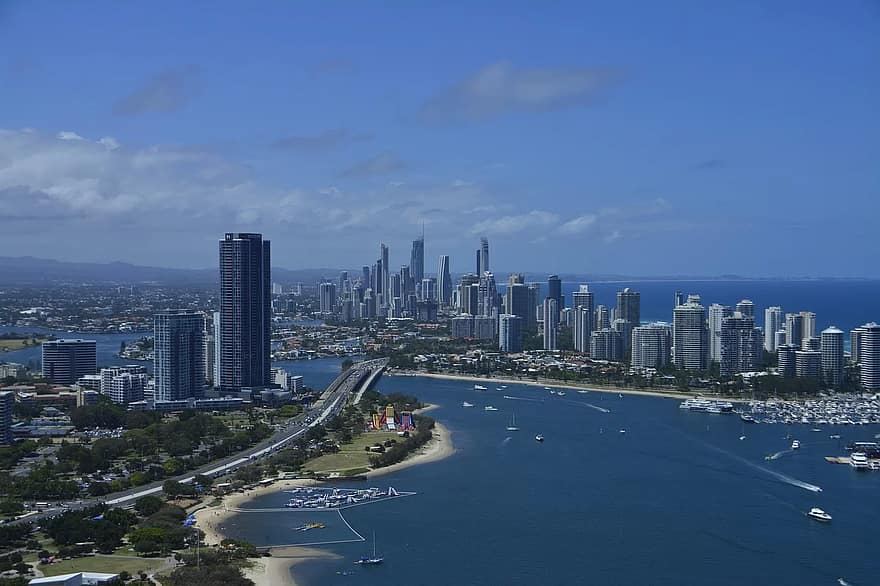
Campervan route
Coastal highway north from Brisbane to Cairns, one of Australia's great drives.
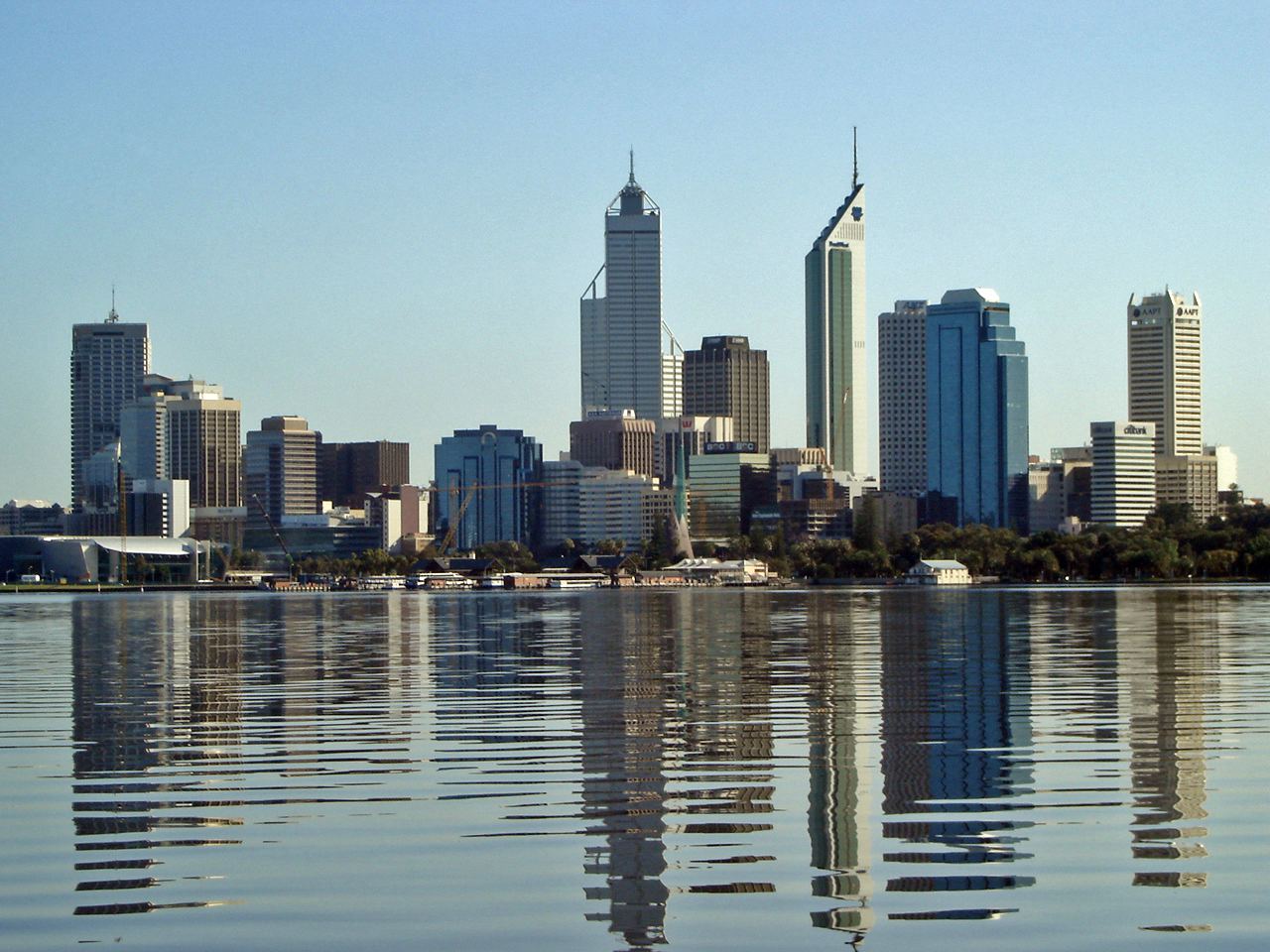
Campervan route
Long coastline, remote gorges, wildflowers, and routes that need careful distance planning.
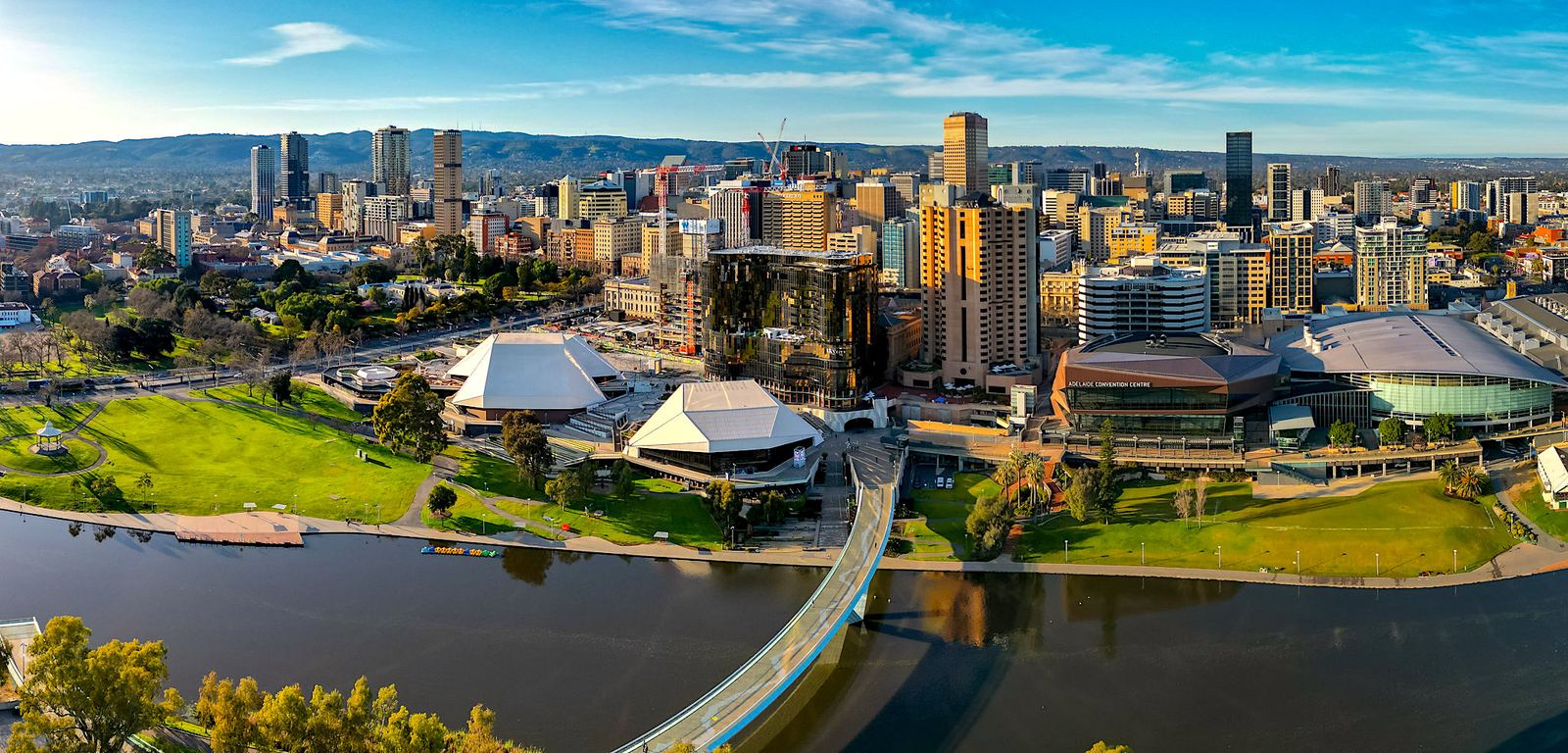
Campervan route
Cellar doors, Flinders Ranges, and the wide-open Nullarbor approach.
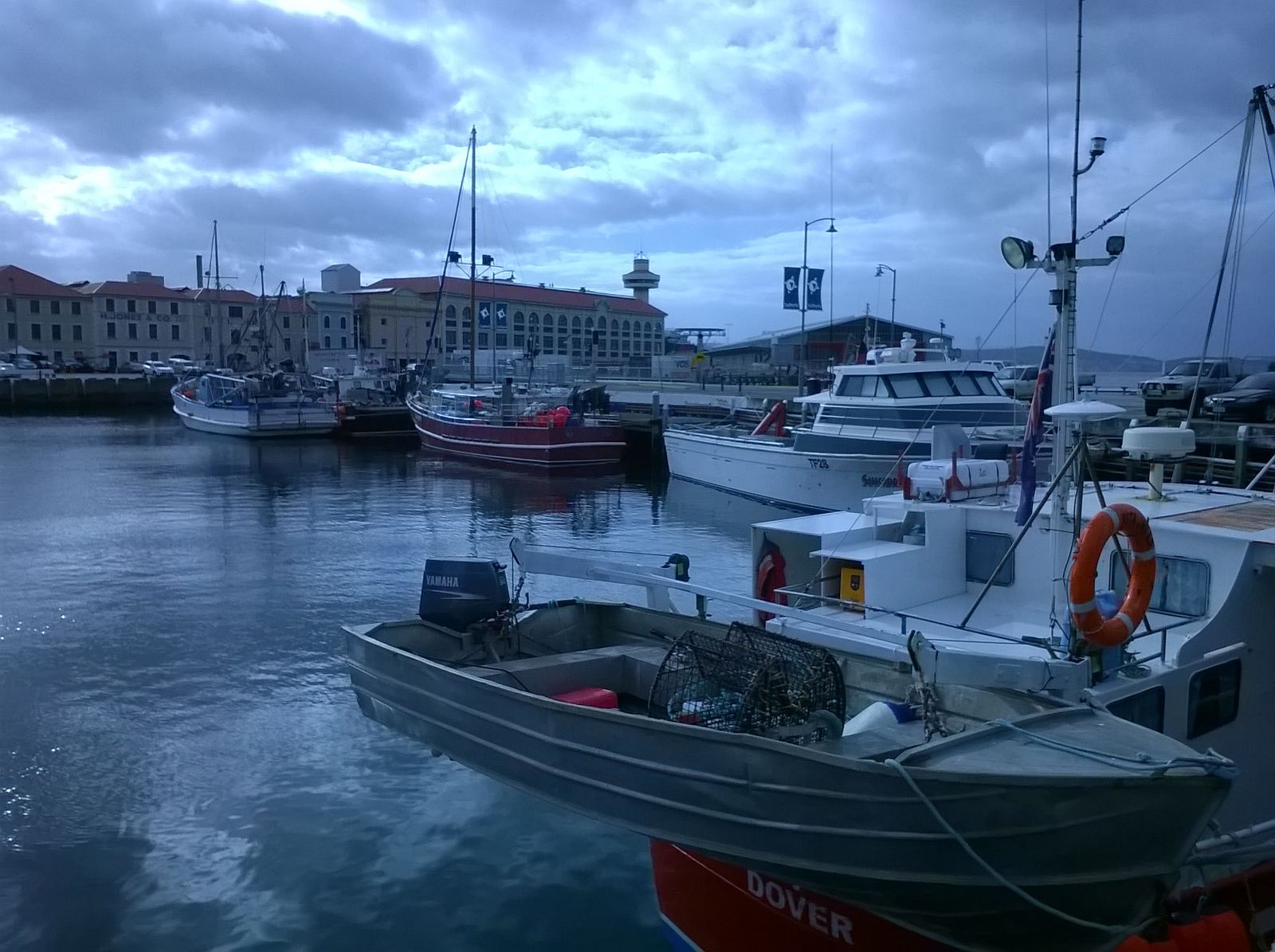
Campervan route
A compact island for campervans, with wild country, coasts, and farm gates close together.

Campervan route
Red desert, gorges, Uluru, and Kakadu on the classic outback route.

Campervan route
A compact base with easy links to Kosciuszko and the Snowy Mountains.
Rules of the road
Road rules are largely national, with a few state-by-state differences. Here's what matters for campervan drivers.
| Rule | What you need to know |
|---|---|
| Side of the road | Drive on the left, like the UK and Japan. Roundabouts move clockwise. |
| Speed limits | Built-up areas 50 km/h (school zones 40 km/h), open roads 100 km/h default, motorways 110 km/h. Northern Territory has 130 km/h zones on parts of the Stuart Highway. |
| Blood alcohol limit | 0.05 BAC for full licence holders. ZERO (0.00) for learner and provisional licence drivers, professional drivers, and anyone under 25 on a P-plate. Random breath testing is constant, police can pull you over without cause. |
| Mobile phones | Hands-free only. Holding a phone for any reason, including checking maps or paying at a drive-through, is illegal. Fines AUD 400-600+ and licence points. P-platers and learners cannot use phones at all, even hands-free. |
| Seatbelts | Mandatory for all occupants in all seats, including the rear. Children under 7 require an approved child restraint. The driver is responsible for every passenger. |
| International Driving Permit | A current overseas licence in English is usually accepted for short visits, but rules and hire-company checks vary. If your licence is not in English, carry an IDP or official translation alongside it. |
| Wildlife on roads | Kangaroos and wombats are most active at dawn, dusk, and after dark. Outside cities, avoid driving between 4pm and 7am wherever possible. A roo-bar reduces vehicle damage but not animal injury, slow down. |
| Unsealed roads | Most rental agreements PROHIBIT driving on unsealed (gravel/dirt) roads, including some popular routes. Check the contract before booking. 4WD-only models usually allow specified tracks; standard campervans usually don't. |
| Overnight parking | Rules vary by council. Many councils ban roadside overnight sleeping with fines up to AUD 500. Use designated rest areas, free camps, showgrounds, or paid caravan parks. Apps like WikiCamps and CamperMate flag what's allowed where. |
Fuel cost
Australia sells fuel by the litre (not gallon). Ranges below are rough mid-2026 figures, prices move weekly. For real-time pricing: FuelCheck (NSW), FuelWatch (WA), MyNRMA (national).
Rule of thumb: A typical diesel campervan (12 L/100 km) costs around AUD 25–30 per 100 km. Top up before remote sections, petrol stations can be 200+ km apart.
Tip: NSW, WA, and QLD have mandatory 24-hour fuel price reporting, stations must publish what they'll charge before it changes. The FuelCheck and FuelWatch apps use this data.
Phone & internet
Coverage changes by provider, plan, handset, terrain, and road corridor. Check current coverage maps before relying on any network.
Telstra is often a prudent first choice for regional and remote travel, but check current coverage maps for your route. Resellers such as Belong and Boost can cost less.
Good coverage in capital cities and along many main highway corridors. Check the map carefully before relying on it for inland or secondary roads.
Often cheaper and practical in cities. Regional reach can be improving, but it depends on the route; check carefully before remote stretches.
Our take: For a campervan trip, start with a strong regional mobile provider and check coverage maps against your route. Starlink can be useful where mobile coverage drops out, but it adds hardware, power, and plan considerations.
Free Wi-Fi: Town libraries, McDonald's, Subway, most caravan parks, and tourist info centres. Fine for email, not for streaming.
Starlink
Starlink can be useful on remote routes where mobile coverage drops out, provided the dish has a clear view of the sky. Check current plans, hardware rules, and roaming terms before buying.
Useful on routes where mobile carriers often show "No service", such as parts of the Nullarbor, the Kimberley, and Cape York, as long as the dish has open sky.
Speeds vary by location, weather, and plan, but can be enough for video calls, uploads, route checks, and weather updates when mobile data is not available.
Some plans can be paused or changed through the app. Check the current Australian terms before relying on pause fees, data limits, or roaming access.
Portable hardware is easier to carry than the older full-size kit, but power draw, mounting, and storage still matter in a small van.
Caravan-park Wi-Fi is often shared and slow. A satellite connection can be a backup when the park is full or mobile data is congested.
A working internet connection in the middle of nowhere means weather radar, road condition updates, and a way to call for help via Wi-Fi calling if you break down outside mobile coverage.
Which plan? Plans and hardware rules change. You can start with the referral link, then choose or switch to the right Roam plan for Australia at your destination. Check data limits, pause rules, and in-vehicle use directly with Starlink.
Referral link. If someone signs up for Starlink through this link, both the referrer and the new customer may receive one month of free service 30 days after activation.
Must have
Six items that make remote travel safer and more comfortable. Buy them before you leave or check whether your rental kit already includes them.
Australian UV in summer regularly hits index 11–14 (Europe peaks around 8). Reapply every 2 hours, even on cloudy days. Locals genuinely use this much sunscreen, it isn't paranoia.
Bushman, RID, or any 80%+ DEET. Mosquitos and bush flies are real in the tropical north and bush country. The wet season (Nov–Apr in the north) is the worst.
Plus 2 L per person per day in bottles. Petrol stations between remote settlements can be 200 km apart and water-tank stops aren't signposted. Fill at every caravan park.
Standard kit plus two pressure-immobilisation bandages (10cm wide, elasticated). Australia is home to 11 of the world's 25 most venomous snakes, which sounds dramatic until you remember nobody asks you to befriend them. If something does bite you, the bandage is the correct first response. A tourniquet is what you do in films.
NRMA (NSW/ACT), RACV (VIC), RACQ (QLD), RAA (SA), RAC (WA), AANT (NT), RACT (TAS). Reciprocal across states, join the one for where you start. Roughly AUD 130/year. Rentals usually include basic cover; verify before relying on it.
Telstra prepaid for the broadest coverage (around AUD 30 for 4 weeks / 20 GB). Download Google Maps regions and your route in Maps.me offline before remote sections, mobile coverage drops without warning.
Must know
Six things that consistently trip up European and American travellers. Driving rules are in the table above; this section is about the everyday details around them.
Sydney to Perth is 4,000 km. That's Madrid to Moscow. Or New York to Los Angeles. Sydney to Brisbane is 900 km, which is Paris to Berlin and still inside the same state. European "five towns a day" itineraries do not survive contact with Western Australia. Plan one state per week and you'll have a good time.
Sydney sits at the same latitude as southern Spain but the UV runs up to 15% higher, thanks to thinner ozone and cleaner air. A pasty European can burn in eleven minutes at January midday. Eleven. The locals wear hats, long sleeves and SPF 50+ for a reason, and the reason is not vanity.
Service wages are higher here, so tipping never wired itself into the economy. No tip needed at restaurants, cafés, taxis, hotels, hairdressers, or Uber. Round up if someone genuinely went above and beyond. If you offer 20% American-style, the staff will assume you've mistyped your PIN and politely try to give it back.
230 V / 50 Hz like Europe, but the plug is Type I (three angled flat pins), the same as China and Argentina. EU Type F (Schuko), UK Type G, and US Type A/B all need an adapter. American 110 V appliances such as some hair dryers, kettles, or single-voltage chargers need a proper step-down transformer.
In cities, regional towns, and most caravan parks, tap water is normally drinkable. Remote roadhouses, outback campgrounds, and rainwater or bore-water taps can be different, so read signs and ask before filling your tanks.
Triple-zero (000) reaches police, fire, and ambulance. 112 also works from any mobile (European standard) and 911 redirects from some US handsets, but 000 is the one to memorise. In remote areas with no mobile signal, an EPIRB or satellite messenger can be an important backup.
Common questions
Use these related guides to keep planning without starting over.