Queensland
Brisbane
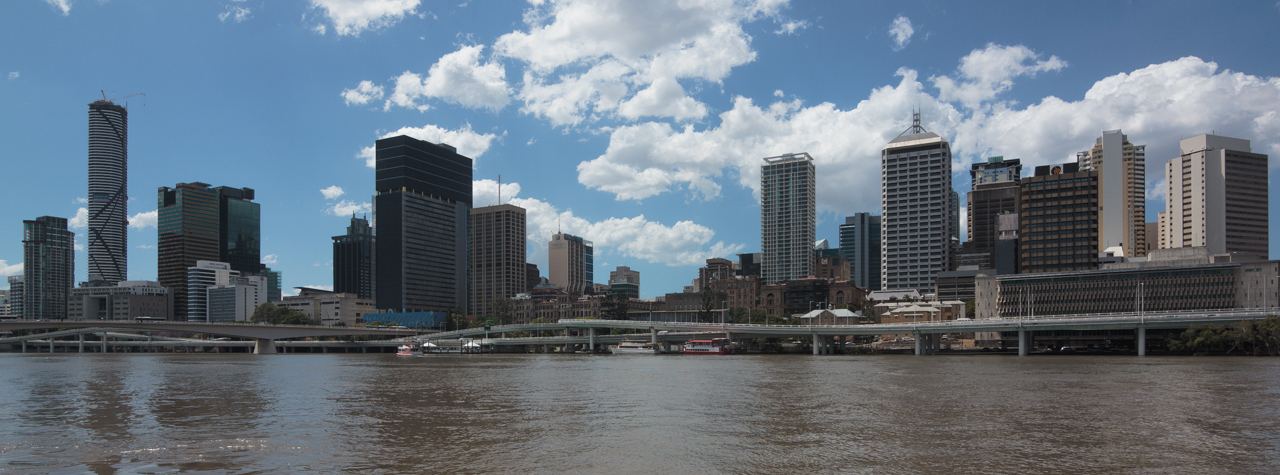
Riverside lifestyle, galleries, subtropical weather, and easy links to beaches and islands.
State guide
Reef islands, tropical rainforests, family-friendly beaches, and warm-weather escapes from coast to hinterland.
The main gateway for most visitors is Brisbane Airport or Cairns for northern trips, which provides onward connections by road, rail, or domestic flight to most parts of the state. If you are arriving internationally, check flight connections through this gateway before finalising your itinerary.
Choose Cairns or Port Douglas for the Great Barrier Reef and Daintree Rainforest. Choose Airlie Beach or Hamilton Island for the Whitsundays. Choose Brisbane, Noosa, or the Gold Coast if you want beaches, food, city comfort, and easier short breaks in south-east Queensland.
South-east Queensland links Brisbane, the Gold Coast, Sunshine Coast and hinterland with the state’s strongest urban transport. The Whitsundays are an island-and-sailing trip based around Airlie Beach or island resorts. Tropical North Queensland uses Cairns or Port Douglas for reef and rainforest. The interior and far north require more specialised time, seasons and road planning.
Five days supports Brisbane with one coast, or Cairns with separate reef and rainforest days. Seven days can add a second south-east base or slow a tropical north trip. Ten to fourteen days supports a Brisbane-to-coast route, a Whitsundays stay, or a deeper reef-and-Daintree itinerary. Flying between distant regions is usually more realistic than forcing them into one road trip.
Choose Cairns or Port Douglas for the easiest reef-and-rainforest combination, the Whitsundays for sailing and island scenery, the Gold Coast for surf beaches and large attractions, Noosa for a compact beach-and-national-park stay, or Brisbane for city comfort and short regional extensions. Each deserves its own major days.
Brisbane, Cairns and regional airports serve different holiday zones. Public transport is most useful around Brisbane and the Gold Coast; a car helps with hinterland and multi-stop coastal travel. Boats and transfers define island trips, while organised tours can simplify reef, rainforest and long sightseeing days. Confirm the exact airport and onward transfer before booking.
The tropical north has strong wet- and dry-season differences, marine conditions and possible tropical systems. South-east Queensland has a different pattern and remains a year-round destination, though heat, storms and holiday crowds still matter. Check weather, marine, park and road alerts for the specific destination.
Cairns offers broad tour and accommodation choice, Port Douglas is closer to the Daintree, Airlie Beach is the mainland Whitsundays base, and island resorts trade flexibility for convenience. Reef boats, island rooms, school-holiday beach stays and major attractions can sell out. Compare total transport and meal costs, not only the room rate.
Use these related guides to keep planning without starting over.
May to October is generally the most comfortable period for a first visit. Seasonal conditions vary across Queensland, so the ideal timing depends on whether your priorities are urban sightseeing, beach access, hiking, wildlife, or touring wine and food regions.
Peak holiday periods can still be worth visiting if your dates are fixed, but accommodation costs more and popular experiences need earlier booking. Shoulder seasons generally offer better value, calmer attractions, and more comfortable walking and driving conditions.
Public transport works well within the main gateway city, but a hire car is usually necessary once you start exploring regional areas, wine country, national parks, or smaller coastal towns on your own schedule.
Distances are frequently larger than they appear on a map. Allow extra time for scenic regional drives - you will want to stop for lookouts, food breaks, walks, and photography. Building in that breathing room usually makes the trip feel richer and less stressful.
Queensland
Riverside lifestyle, galleries, subtropical weather, and easy links to beaches and islands.
Queensland
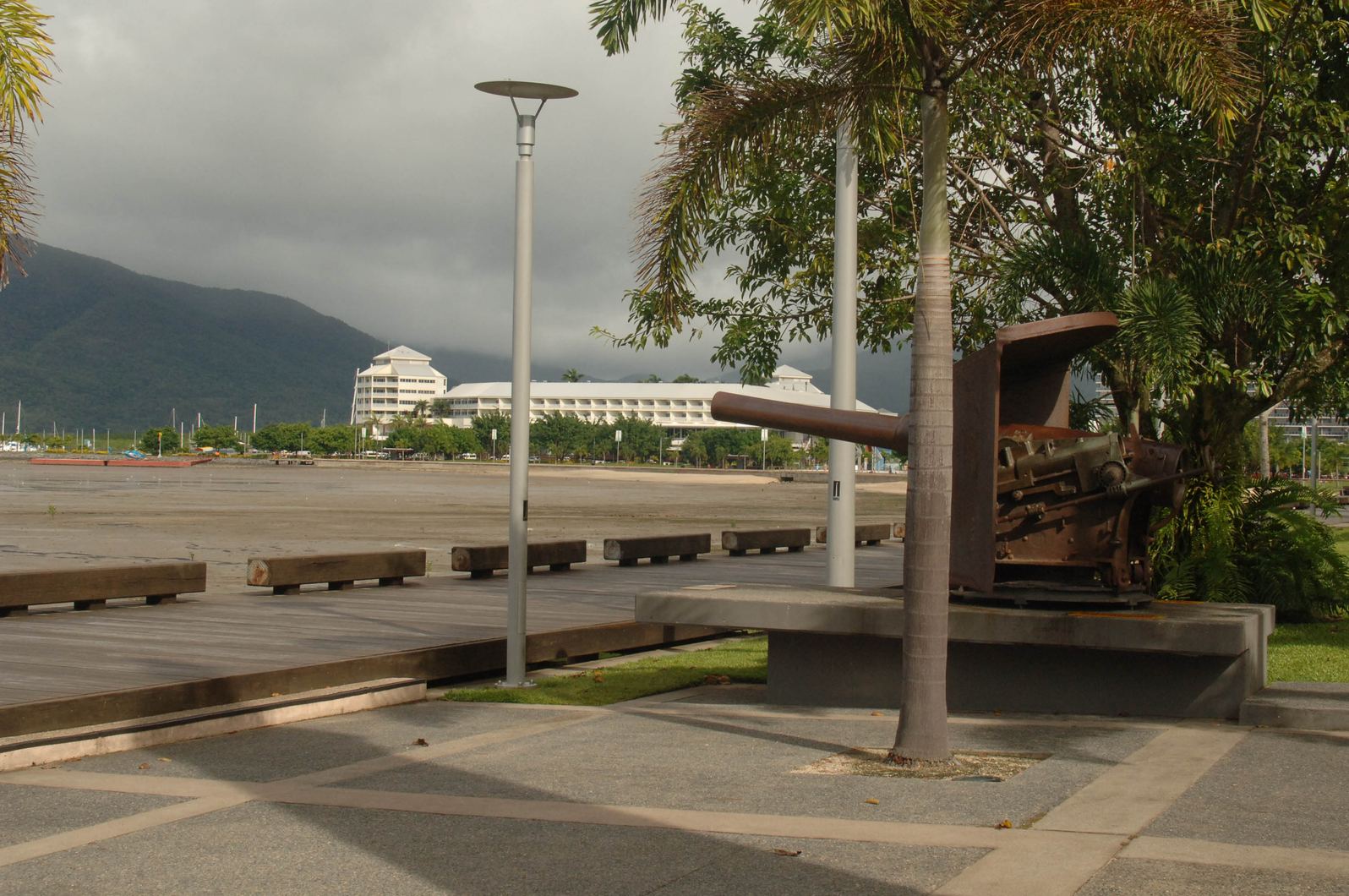
The classic launch point for reef cruises, rainforest touring, and tropical north holidays.
Queensland
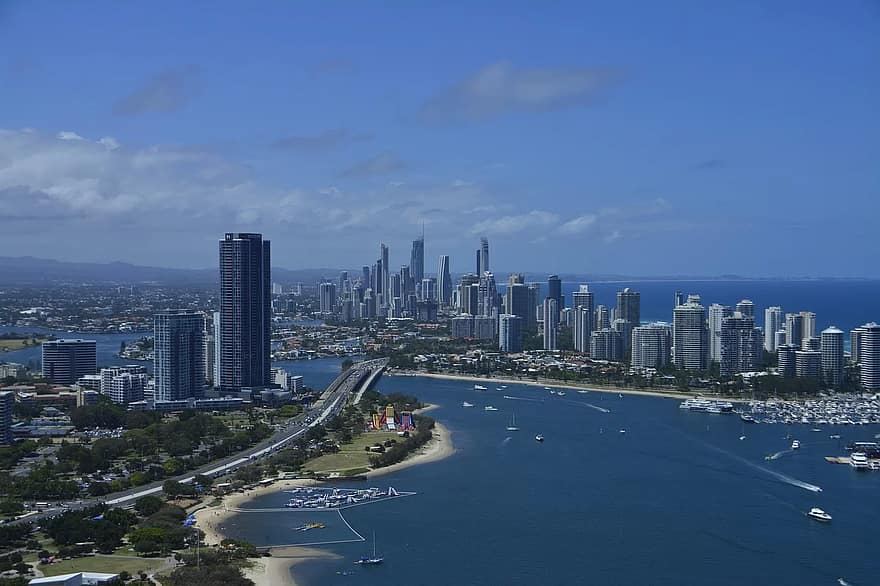
Long surf beaches, family attractions, skyline stays, and hinterland escapes in one easy destination.