City guide — Victoria
Melbourne travel guide
Culture-rich city breaks with laneways, coffee, sport, galleries, and day trips.
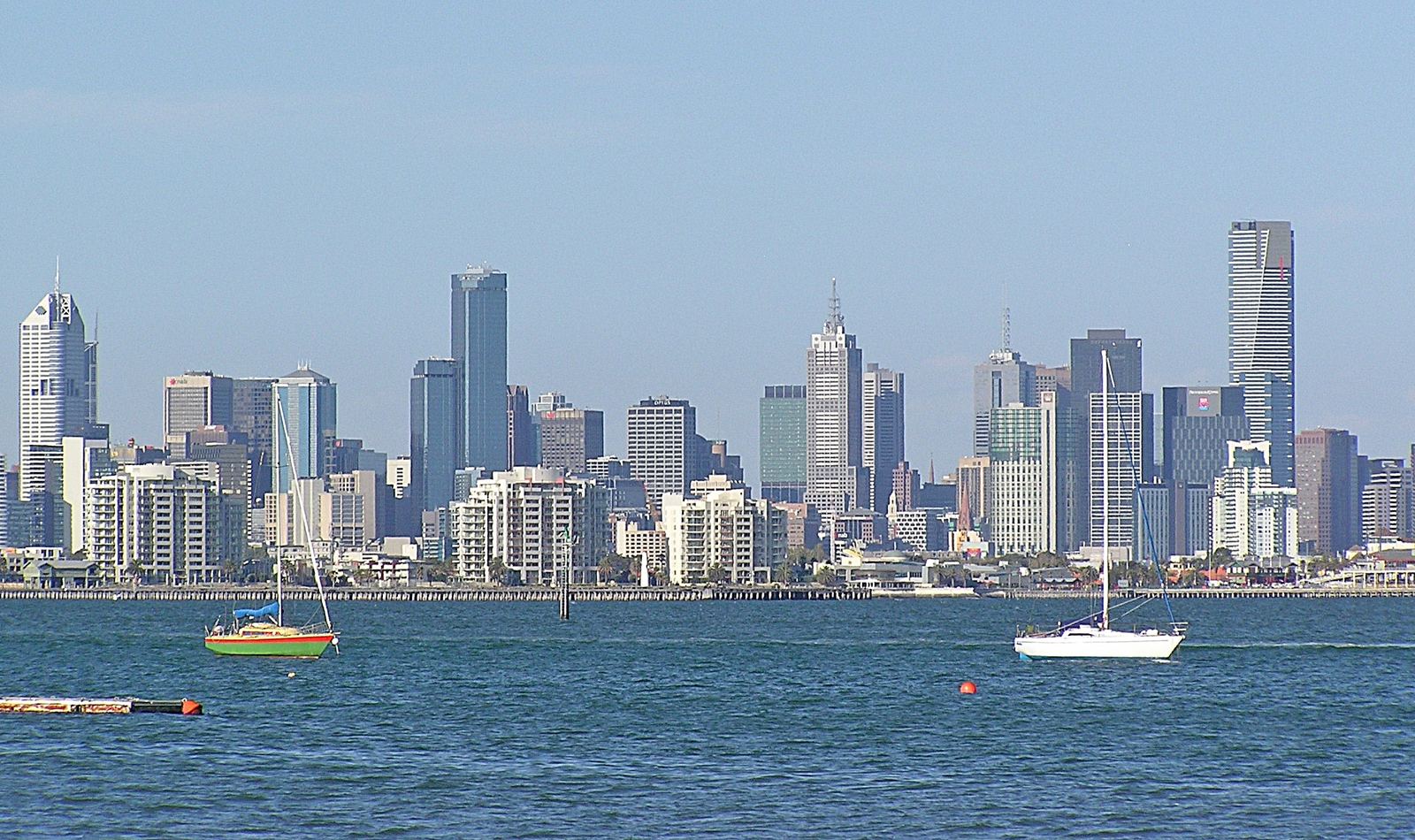
Melbourne rewards visitors who slow down. The city's identity is built around food, coffee, arts, and neighbourhoods rather than a single landmark, which means the experience improves the longer you stay and the more you explore beyond the obvious postcards.
Top experiences in Melbourne
- Laneway cafés and street art
- Queen Victoria Market
- NGV (National Gallery of Victoria)
- Great Ocean Road day trip
- Yarra Valley wine day
- Phillip Island Penguin Parade
Things to do in Melbourne: top 10
- Explore the CBD laneways Start with Degraves Street, Centre Place, Hosier Lane, and Flinders Lane for coffee, street art, and small bars.
- Queen Victoria Market Go early for produce, snacks, deli counters, and the easiest market lunch in the city.
- NGV and Federation Square Pair the National Gallery of Victoria with Fed Square, ACMI, and the Yarra riverside walk.
- Great Ocean Road The headline day trip or overnight route from Melbourne, with the Twelve Apostles as the main draw.
- Yarra Valley A relaxed wine and food day for travellers who want a softer regional trip.
- Phillip Island Penguin Parade Best as a long half-day or full-day tour, especially for families and wildlife lovers.
- Fitzroy and Collingwood Use these inner-north neighbourhoods for cafes, independent shops, bars, and street life.
- St Kilda Good for beach air, the pier, sunset walks, and a different feel from the CBD.
- MCG and Melbourne Park Worth seeing for sport fans, especially during AFL season, cricket season, or the Australian Open.
- Royal Botanic Gardens An easy green break near the city with skyline views and gentle walking paths.
Why tourists choose Melbourne
Melbourne is Australia's cultural capital and a city that consistently rewards those who explore beyond the obvious. The laneways, food scene, gallery culture, and neighbourhood variety make it one of the most liveable and enjoyable city bases in the country.
Top things to do in Melbourne
Laneway cafés and street art, Queen Victoria Market, and the NGV are the three anchors most visitors build around. The Great Ocean Road day trip is the most popular regional extension. Phillip Island Penguin Parade is a strong evening add-on for those staying at least four nights.
Tours and guided experiences
Great Ocean Road day tours from Melbourne start from around AUD 130 for a full-day group tour (13 hours) covering the Twelve Apostles, Apollo Bay, and koala spotting. Small-group eco tours cost around AUD 155. Yarra Valley wine tours visiting four wineries with lunch run around AUD 179 per person. The Yarra River sightseeing cruise is around AUD 30 for an hour and departs from Southgate. Phillip Island Penguin Parade combined tours from Melbourne start from AUD 120. Major tours are bookable through established tour platforms or directly with operators; check cancellation terms before paying.
Best areas to stay
The CBD and Southbank suit those who want convenience and easy transport access. Fitzroy and Collingwood are better for food, bars, and a more neighbourhood feel. St Kilda provides beach access and a relaxed atmosphere but requires a tram into the city. Carlton suits budget-conscious visitors who want to be near the university precinct and Lygon Street Italian restaurants.
Accommodation price guide
Budget hostels in the CBD and Fitzroy start from around AUD 35 per dorm bed. Mid-range hotels in the CBD average AUD 160 to 250 per night. St Kilda offers good apartment-style options at AUD 150 to 220 per night. Luxury hotels on the Southbank and around Flinders Lane run AUD 350 to 600-plus. The Langham and Park Hyatt are the headline luxury properties.
Where to eat in Melbourne
Melbourne's food scene is genuinely world-class. Flinders Lane, Hardware Lane, and Degraves Street are the most-visited café strips. Fitzroy Street in St Kilda has good casual dining. Lygon Street in Carlton is the classic Italian restaurant precinct. For brunch, Smith Street in Collingwood and Brunswick Street in Fitzroy are both excellent. The Queen Victoria Market is best for fresh produce, cheese, and quick market lunches.
Transport and getting around
The free tram zone covers the entire CBD - ride any tram within this area at no cost. Beyond the zone, a Myki card is required. A single tram, train, or bus trip within the inner city costs AUD 2 to 5. Trains from the CBD to St Kilda Road take 15 minutes. The CBD to St Kilda by tram takes around 20 minutes on the 96 or 16. Airport Skybus from the CBD costs AUD 22 per adult (around 30 minutes in low traffic). Taxis and rideshares from the airport run AUD 50 to 80.
Best time to visit Melbourne
March to May and September to November offer the most pleasant weather for city exploration. Melbourne is a year-round destination - winter is mild and the city's indoor food and arts scene thrives. Summer (December to February) can be hot with occasional heatwaves, but the city is lively and beach access is easy.
How many days feels right
Three to four nights is the minimum to feel Melbourne properly. A week gives you time to add the Great Ocean Road and still spend two or three full days in the city itself.
Practical tips
- Explore laneways on foot - maps help but wandering works better
- Use the free city trams in the CBD zone
- Visit Queen Victoria Market early on weekday mornings
- Book Great Ocean Road tours at least 48 hours ahead in peak season
Sample itinerary for Melbourne
Day 1
Laneways, markets, and galleries. Start at Flinders Street Station, walk through Degraves Street to Hosier Lane for street art, then to Federation Square. Visit the NGV (free general admission). Afternoon at Queen Victoria Market.
Day 2
Great Ocean Road full-day tour. Most tours depart 7 to 8am and return 8 to 9pm. Cover the Memorial Arch, Lorne, Apollo Bay, Loch Ard Gorge, and the Twelve Apostles. Book in advance.
Day 3
Fitzroy and Collingwood. Walk Smith Street and Gertrude Street for coffee and independent retail. Visit the Melbourne Museum in Carlton. Dinner on Brunswick Street.
Day 4
Yarra Valley wine day. Depart by 9am for guided tour visiting three to four wineries with lunch. Return to Melbourne by 6pm. Alternatively, Phillip Island Penguin Parade evening tour.
Seasonal events in Melbourne
Australian Open (tennis) - Melbourne Park, major accommodation prices spike
Melbourne Food and Wine Festival and Formula 1 Australian Grand Prix
AFL Grand Final at the MCG - the biggest single sporting event in Australian calendar
Melbourne International Arts Festival and spring racing carnival (Cox Plate, Caulfield Cup)
Melbourne Cup (first Tuesday) - the race that stops a nation
Boxing Day Test at the MCG - cricket, festive atmosphere around the ground
Visa and entry information
Most visitors need a visa before arriving in Australia. UK, US, and Canadian passport holders apply for an Electronic Travel Authority (ETA, subclass 601) via the Australian ETA app for AUD 20. European passport holders from eligible countries apply for a free eVisitor visa (subclass 651) online. All other nationalities apply for a Visitor visa (subclass 600) from AUD 250. Check the Australian Department of Home Affairs for your passport requirements.
Check the Australia visa guide and official sources
Frequently asked questions
How many days should I spend in Melbourne?
Is Melbourne or Sydney better for first-time visitors?
Can I explore Melbourne without a car?
What is Melbourne most famous for?
How much does the Great Ocean Road tour cost from Melbourne?
Go broader
Victoria
Use the state guide to connect Melbourne with surrounding regions, extra nights, and travel days that do not feel rushed.
Open Victoria guidePopular planning guides
Use these related guides to keep planning without starting over.