ACT
Canberra
Australia's capital for galleries, museums, architecture, gardens, and easy lakefront exploration.
State guide
National institutions, lakefront cycling, cool-climate food, and one of Australia's easiest city breaks.
The main gateway for most visitors is Canberra Airport (direct or via Sydney), which provides onward connections by road, rail, or domestic flight to most parts of the state. If you are arriving internationally, check flight connections through this gateway before finalising your itinerary.
Canberra is organised around separated precincts rather than one dense centre. Civic and Braddon suit restaurants and a central hotel; the Parliamentary Triangle contains Parliament House, major national galleries and institutions; Acton has the National Museum and university area; Kingston and Manuka work for lakeside dining and neighbourhood evenings. Group each day geographically so broad roads and lake crossings do not consume the visit.
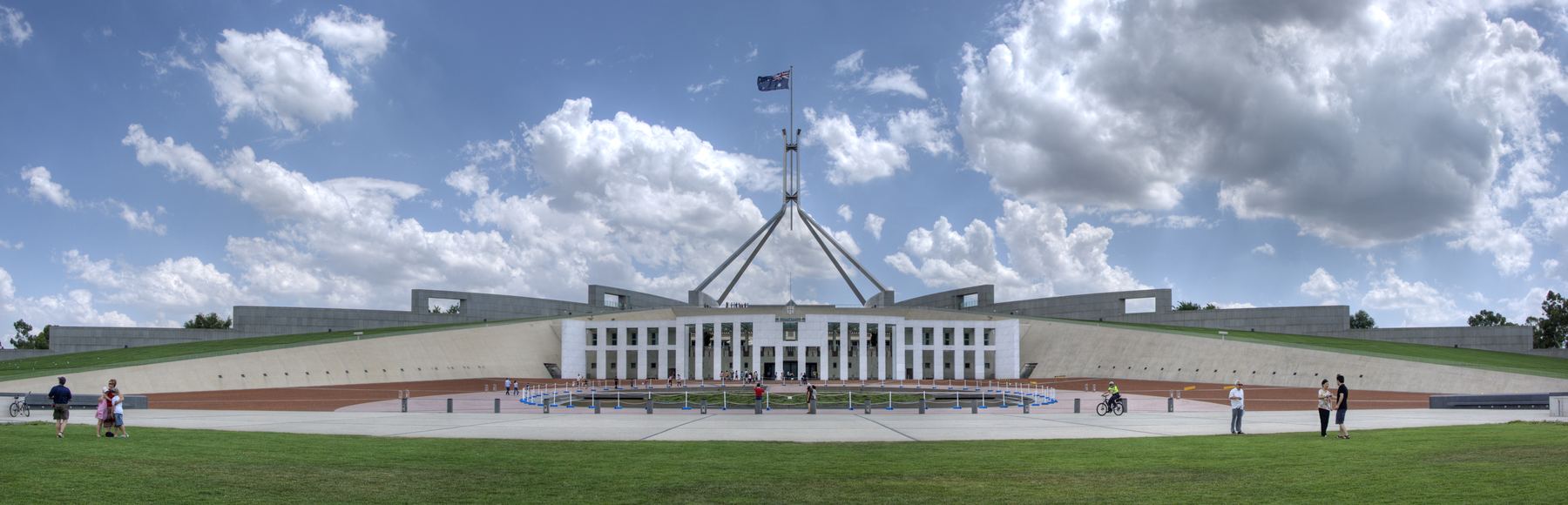
Parliament House, the National Gallery, National Portrait Gallery and other national institutions can fill a full day. Choose two major interiors and leave time to walk outside rather than attempting every building. Security screening, tours, exhibitions and sitting arrangements can affect timing, so check each institution’s official page before the day.
The Australian War Memorial, National Museum of Australia, National Gallery and National Portrait Gallery have distinct roles and can each justify a long visit. Select by interest and current programme. Families may prefer one substantial museum plus an outdoor stop; history-focused visitors should spread the institutions across two days to avoid exhibition fatigue.
Canberra works for families when museum sessions alternate with Lake Burley Griffin, playgrounds, gardens or a science-focused attraction. Check current booking rules and age suitability. Tidbinbilla Nature Reserve and other outer-area stops need additional transport and should not be added after an already full museum day.
With one day, choose the Parliamentary Triangle plus one headline institution. With two days, add the Australian War Memorial and either the National Museum, lakefront cycling or a district evening. With three days, include a slower gallery day, Mount Ainslie or an outer nature reserve. Keep one indoor option available for cold, wet or smoky conditions.
A car is convenient for spaced precincts, viewpoints and nature reserves, but parking rules and event closures still require planning. Public transport can cover a city break if accommodation and daily clusters are chosen carefully. Cycling suits the lake and established paths, though distance, heat, cold and wind can surprise visitors. Check the current journey planner and path conditions.
Spring and autumn are comfortable for gardens and walking, winter can be cold, and summer days can be hot. Major festivals, parliamentary events, graduations and school excursions can change accommodation and institution demand. Verify event dates and opening changes rather than building the trip around a recurring event from an old article.
Canberra can connect with the Southern Tablelands, wineries, the Snowy Mountains or the Southern Highlands, but these are regional drives rather than city attractions. Pick one direction, check road and weather conditions, and avoid combining a distant day trip with a late flight or rail departure.
Civic and Braddon are practical without a car and have broad evening choice. Kingston and Manuka suit travellers who prefer quieter dining districts and access towards the Parliamentary Triangle. Choose the hotel for the precincts you will actually visit, not solely by its straight-line distance from a map label called “Canberra.”
Use these related guides to keep planning without starting over.
September to November is generally the most comfortable period for a first visit. Seasonal conditions vary across Australian Capital Territory, so the ideal timing depends on whether your priorities are urban sightseeing, beach access, hiking, wildlife, or touring wine and food regions.
Peak holiday periods can still be worth visiting if your dates are fixed, but accommodation costs more and popular experiences need earlier booking. Shoulder seasons generally offer better value, calmer attractions, and more comfortable walking and driving conditions.
Public transport works well within the main gateway city, but a hire car is usually necessary once you start exploring regional areas, wine country, national parks, or smaller coastal towns on your own schedule.
Distances are frequently larger than they appear on a map. Allow extra time for scenic regional drives - you will want to stop for lookouts, food breaks, walks, and photography. Building in that breathing room usually makes the trip feel richer and less stressful.