Tasmania
Hobart
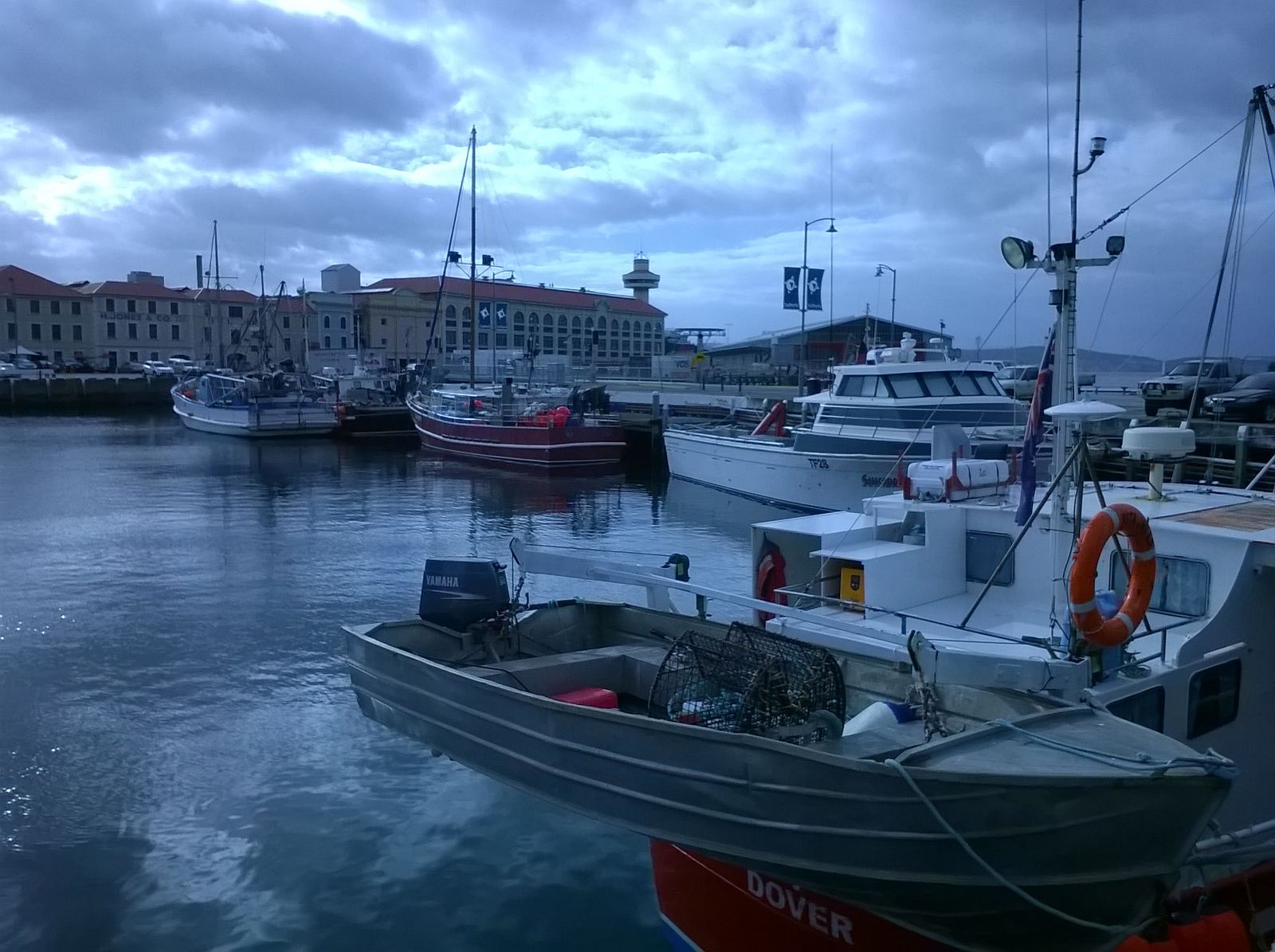
Historic waterfront charm, cool-climate food, mountain views, and an easy base for island touring.
State guide
Cool-climate food, wild landscapes, coastal beauty, and road trips made for slower scenic travel.
The main gateway for most visitors is Hobart Airport or Launceston Airport, which provides onward connections by road, rail, or domestic flight to most parts of the state. If you are arriving internationally, check flight connections through this gateway before finalising your itinerary.
Flying is fastest. Most visitors fly into Hobart or Launceston, then hire a car for the road trip. The Spirit of Tasmania ferry links Geelong and Devonport and suits travellers bringing their own car, campervan, or more luggage, but it takes longer and needs early booking in summer.
A balanced Tasmania travel guide usually starts in Hobart, then adds either Freycinet and the east coast, Launceston and the Tamar Valley, or Cradle Mountain. With a week, link Hobart, Freycinet, Launceston, and Cradle Mountain in a loop instead of trying to reach every corner of the island.
Hobart and the south suit food, history, MONA, Mount Wellington and Port Arthur. The east coast suits Freycinet, beaches and a scenic road trip. Launceston and the north suit Cataract Gorge, Tamar Valley and food producers. Cradle Mountain and the west are slower nature journeys where weather and road time shape the plan.
Five days supports Hobart with Port Arthur or Freycinet, or a northern trip from Launceston. Seven days can link Hobart, Freycinet, Launceston and one mountain base if stops are disciplined. Ten days allows the same loop to breathe or adds the west coast. Do not mistake short map distances for fast driving on winding scenic roads.
Choose Hobart plus the east coast for the broadest first visit, Hobart plus Port Arthur for history, Launceston plus Cradle Mountain for a northern nature route, or the west coast for a slower repeat trip. Families and winter visitors should use fewer bases and keep indoor alternatives.
Weather can change quickly between coast, plateau and mountain areas. Longer summer daylight helps touring, but popular places need earlier booking. Winter offers quieter cities and atmospheric landscapes while bringing shorter days, cold conditions and possible snow or ice on elevated roads. Check park and road alerts before every major sector.
Hobart and Launceston are the main gateways. Coles Bay or nearby east-coast towns suit Freycinet; a dedicated Cradle Mountain stay avoids wasting the best daylight on a long approach; and west-coast towns should be planned as proper overnights. Two-night bases improve walking flexibility when weather changes.
Vehicle hire, ferry space, limited national-park accommodation and summer demand can raise costs. Book the car, gateway nights and scarce route-defining stays first. Compare flying and renting with bringing a vehicle on the ferry as complete journeys, including time, cabin or seat, fuel and onward driving.
Use these related guides to keep planning without starting over.
October to April is generally the most comfortable period for a first visit. Seasonal conditions vary across Tasmania, so the ideal timing depends on whether your priorities are urban sightseeing, beach access, hiking, wildlife, or touring wine and food regions.
Peak holiday periods can still be worth visiting if your dates are fixed, but accommodation costs more and popular experiences need earlier booking. Shoulder seasons generally offer better value, calmer attractions, and more comfortable walking and driving conditions.
Public transport works well within the main gateway city, but a hire car is usually necessary once you start exploring regional areas, wine country, national parks, or smaller coastal towns on your own schedule.
Distances are frequently larger than they appear on a map. Allow extra time for scenic regional drives - you will want to stop for lookouts, food breaks, walks, and photography. Building in that breathing room usually makes the trip feel richer and less stressful.