Northern Territory
Darwin
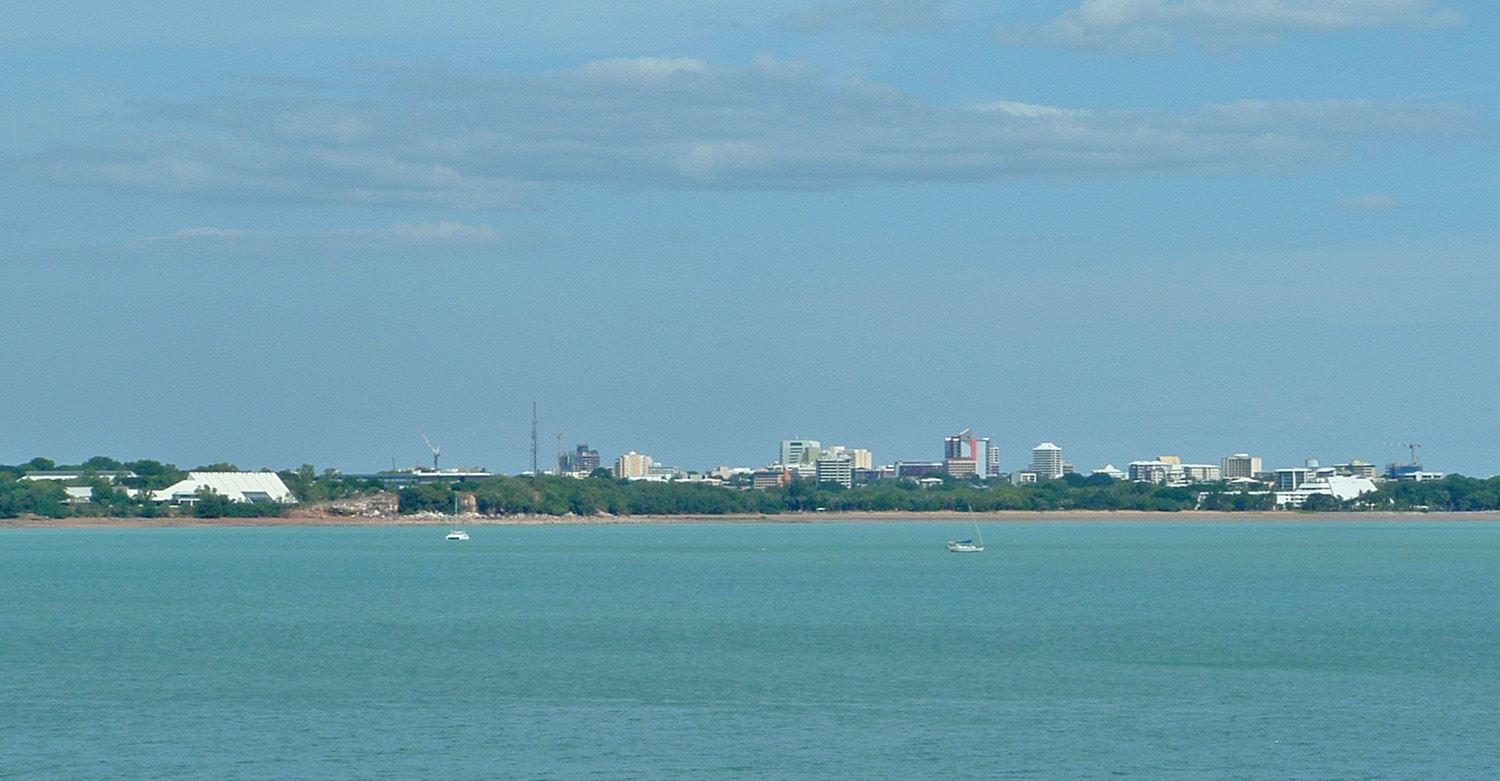
A tropical northern city that works best as a gateway to national parks and Top End adventures.
State guide
Red desert landscapes, Aboriginal cultural experiences, dramatic gorges, and tropical Top End adventures.

The main gateway for most visitors is Darwin Airport or Alice Springs Airport, which provides onward connections by road, rail, or domestic flight to most parts of the state. If you are arriving internationally, check flight connections through this gateway before finalising your itinerary.
Treat them as two different trips. The Top End is tropical and centred on Darwin, Litchfield, Kakadu, Katherine and wetlands whose access changes between wet and dry seasons. The Red Centre is arid and centred on Alice Springs, Uluru, Kata Tjuta and Kings Canyon. Joining both requires a flight or a major road journey and should not be squeezed into a normal one-week holiday.
Darwin is the transport and accommodation gateway, not the whole Top End. Litchfield can work as a substantial day trip, while Kakadu deserves at least two days because its major landscapes and cultural sites are widely separated. Katherine and Nitmiluk add another direction and should normally be an overnight stop. Check park alerts and roads immediately before departure because access is seasonal.
Alice Springs is a useful base for the West MacDonnell Ranges and Central Australian history. Uluru and Kata Tjuta are reached through the Yulara visitor area and need time for cultural interpretation, walks and changing light. Kings Canyon is not a quick side trip between them: it adds a separate road sector and overnight logistics. Build the Red Centre around two or three bases, not daily returns.
With five days, choose Darwin and Litchfield or a focused Uluru and Kata Tjuta stay. Seven days can support Darwin, Litchfield and a paced Kakadu visit, or Uluru, Kings Canyon and Alice Springs. Ten days lets one region breathe and adds Katherine or the West MacDonnell Ranges. At fourteen days, explore one region deeply or connect Top End and Red Centre by flight; avoid turning the Stuart Highway into a race.
The Top End dry season usually brings easier road and visitor access, while the wet season can bring intense rain, humidity, flooding and closures alongside dramatic landscapes. Central Australia has a different pattern: cooler months are generally more comfortable for exposed walks, while summer heat can be dangerous. Check current forecasts, warnings, park alerts and road reports rather than relying on a statewide “best month.”
Flying is the practical way to join Darwin and Central Australia within a shorter trip. Self-drive gives flexibility on established routes but requires careful fuel, water, daylight and rental-condition planning. Tours are especially valuable where cultural interpretation, seasonal tracks or remote logistics matter. A standard rental car may not be permitted on every unsealed road even when a map suggests a shortcut.
Many of the Territory’s most significant places are living cultural landscapes. Entry, permits, opening times, photography and access can be governed by the land manager and Traditional Owners. Use official park information, obey closed-area signs, follow local guidance and choose guided cultural experiences where available. Do not treat a social-media location pin as permission to enter.
Remote-road planning is based on reliable fuel, water, accommodation and daylight, not just kilometres. Confirm roadhouse availability, keep a margin in the fuel plan and finish long sectors before dark. Mobile coverage is not continuous. Tell someone the route, carry offline navigation and use communication equipment appropriate to the remoteness of the journey.
Use these related guides to keep planning without starting over.
May to September is generally the most comfortable period for a first visit. Seasonal conditions vary across Northern Territory, so the ideal timing depends on whether your priorities are urban sightseeing, beach access, hiking, wildlife, or touring wine and food regions.
Peak holiday periods can still be worth visiting if your dates are fixed, but accommodation costs more and popular experiences need earlier booking. Shoulder seasons generally offer better value, calmer attractions, and more comfortable walking and driving conditions.
Public transport works well within the main gateway city, but a hire car is usually necessary once you start exploring regional areas, wine country, national parks, or smaller coastal towns on your own schedule.
Distances are frequently larger than they appear on a map. Allow extra time for scenic regional drives - you will want to stop for lookouts, food breaks, walks, and photography. Building in that breathing room usually makes the trip feel richer and less stressful.