City guide — New South Wales
Sydney travel guide
Australia's best-known city for harbour views, beaches, dining, and day trips.
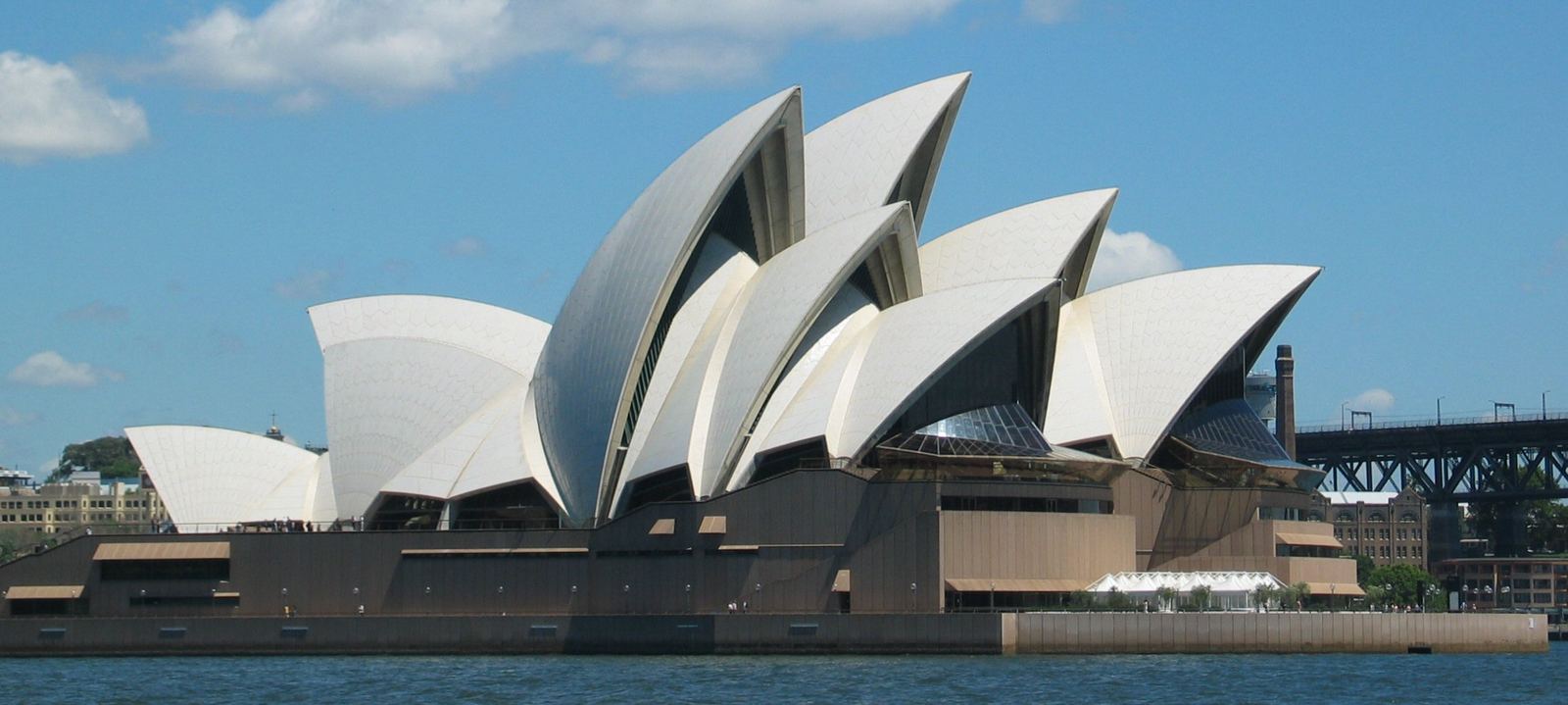
Sydney is easy for first-time visitors because the harbour, beaches, ferries, and neighbourhoods are simple to combine in a short stay.
Top experiences in Sydney
- Opera House exterior and harbour walk
- Bondi to Coogee coastal walk
- Manly ferry
- Bridge viewpoints
- Blue Mountains day trip
Things to do in Sydney: top attractions ranked
- Sydney Opera House and Circular Quay Start here for the classic harbour view, then walk into the Royal Botanic Garden.
- Sydney Harbour Bridge Walk across for free views, book BridgeClimb for the full experience, or use nearby viewpoints if time is tight.
- Bondi Beach and the Bondi to Coogee walk The best mix of beach time, ocean pools, cafes, and coastal scenery.
- Manly ferry A simple public ferry ride that doubles as one of Sydney's best-value harbour experiences.
- The Rocks Good for history, pubs, weekend markets, and easy walking between Circular Quay and the bridge.
- Darling Harbour and Barangaroo Useful for families, evening walks, restaurants, and harbourfront paths.
- Blue Mountains day trip Add a full day for Echo Point, the Three Sisters, Wentworth Falls, and mountain lookouts.
Bookable experiences
Compare Sydney activities
These options match the planning advice in this guide. Check the latest inclusions, schedule and cancellation terms before booking.
Why tourists choose Sydney
Sydney works well for first-time visitors because the Opera House, harbour ferries, Bondi, Manly, and inner-city neighbourhoods can fit together without complicated logistics. Even a short stay can mix famous sights with slower walks, meals, markets, and coastal views.
Top things to do in Sydney
Most travellers start with the Opera House exterior and harbour walk, Bondi to Coogee coastal walk, and Manly ferry. The strongest city trips combine those highlights with time to wander. A good day might start with a landmark or viewpoint, continue into a market, museum, or neighbourhood meal, and finish with a waterfront, park, or evening district.
Tours and guided experiences
The Sydney Harbour BridgeClimb is the signature guided experience, with Summit Day climbs starting from around AUD 364 per adult (midweek) and running 3.5 hours to the top of the 134-metre arch. A guided Opera House interior tour costs AUD 48 per person and lasts about an hour. Harbour sightseeing cruises from Circular Quay start from around AUD 35 for a one-hour circuit, while sunset dinner cruises run AUD 100 to 180. Jet boat rides, whale watching tours (June to November), and Blue Mountains day tours from around AUD 89 are bookable through major tour platforms or directly with operators; check cancellation terms before paying.
Best areas to stay
Circular Quay and The Rocks suit visitors who want to walk to the Opera House, ferries, and harbour in minutes. Surry Hills and the CBD offer better access to restaurants and nightlife. Bondi Beach suits those who want a beach-first holiday with a more relaxed pace. Darling Harbour is a good family base. Budget travellers should look at Glebe or Newtown, which are well-connected by bus.
Accommodation price guide
Budget hostels in The Rocks and Newtown run AUD 40 to 80 per night for a dorm bed. Mid-range hotels in the CBD and Surry Hills average AUD 180 to 280 per night for a standard double. Luxury hotels around Circular Quay and harbourfront properties range from AUD 400 to 700-plus. Serviced apartments in the CBD and Darling Harbour offer good value for longer stays at AUD 200 to 350 per night.
Where to eat in Sydney
Surry Hills is the most reliable dining neighbourhood, with dozens of restaurants across every cuisine and budget on Crown Street and its surrounds. The CBD has strong lunch options and high-end venues. Bondi has good cafés and casual beach dining. For quick, excellent coffee and all-day breakfast, Newtown, Glebe, and Darlinghurst are all strong. Chinatown near Haymarket is excellent for affordable Asian dining. The Fish Market at Pyrmont is the best place for fresh seafood in the city.
Transport and getting around
Opal and contactless payments cover ferries, trains, metro, light rail, and buses. Fares are distance-based, so use the official Transport for NSW Trip Planner for the current price. Adult travel is capped at AUD 9.65 on Fridays, weekends, and public holidays; the Sydney Airport station access fee is separate. The Circular Quay to Manly ferry also works as a scenic harbour trip.
Best time to visit Sydney
September to November and March to May offer warm sightseeing weather and fewer summer crowds. Shoulder seasons are especially comfortable for city walks, harbour ferries, and beachside lunches. Summer (December to February) is hot and busy, especially around the harbour. June to August is mild and quieter, though beach swimming is less appealing.
How many days feels right
Most visitors can build a strong first trip in three to four nights. Adding one extra night often transforms the pace - instead of racing through highlights, you get room for a second neighbourhood, a slower dinner, or a day trip to the Blue Mountains or Hunter Valley.
Practical tips
- Stay around Circular Quay, CBD, or Surry Hills for easy transport connections
- Use ferries and trains to reduce taxi costs
- Add at least one coastal walk to balance city sightseeing with beach time
- Book BridgeClimb and Opera House tours at least a week ahead in peak season
Sample itinerary for Sydney
Day 1
Arrive and walk the harbour. Start at Circular Quay, walk to the Opera House exterior, continue through the Royal Botanic Gardens to Mrs Macquarie's Chair for the best free harbour view in the city. Return to The Rocks for dinner.
Day 2
Bondi to Coogee coastal walk (6km, allow 2 to 3 hours). Start at Bondi, walk south through Bronte and Clovelly to Coogee. Return by bus. Lunch at one of the cliff-top cafés along the route.
Day 3
Manly ferry and Northern Beaches. Take the Manly ferry from Circular Quay (35 minutes each way, one of the world's great ferry rides). Explore Manly Beach and the oceanside promenade. Return ferry at sunset.
Day 4
Blue Mountains day trip. Join a guided day tour (departing Central Station, around AUD 89 to 129) or drive the 80km to Katoomba. See the Three Sisters and Echo Point, walk to Wentworth Falls. Return by train from Katoomba.
Sydney itinerary: what to do in 1, 2, or 3 days
1 day in Sydney
Focus on Circular Quay, the Opera House exterior, Royal Botanic Garden, The Rocks, and a late afternoon Manly ferry. Keep Bondi for another visit unless you start very early.
2 days in Sydney
Day one is the harbour and Manly ferry. Day two is Bondi Beach, the Bondi to Coogee walk, and dinner in Surry Hills or Darlinghurst.
3 days in Sydney
Use the first two days for the harbour and beaches, then add a Blue Mountains day trip or a slower day around Barangaroo, Darling Harbour, and Newtown.
Seasonal events in Sydney
Sydney Festival (performing arts across the city)
Chinese New Year celebrations in Chinatown and Haymarket
Mardi Gras parade (Oxford Street) and Royal Easter Show (late March or April)
Vivid Sydney lights festival begins (runs to mid-July) - best seen from Circular Quay and the Botanic Gardens
Sydney Marathon and spring racing carnival begins
New Year's Eve - the harbour fireworks are world-famous; book a harbour cruise or vantage point months in advance
Visa and entry information
Most visitors need a visa before arriving in Australia. UK, US, and Canadian passport holders can apply for an Electronic Travel Authority (ETA, subclass 601) via the Australian ETA app for AUD 20. European passport holders from eligible countries can apply for a free eVisitor visa (subclass 651) online. All other nationalities apply for a Visitor visa (subclass 600) from AUD 250. Check the Australian Department of Home Affairs website for the latest requirements for your passport.
Check the Australia visa guide and official sources
Frequently asked questions
How many days should I spend in Sydney?
Where is the best area to stay in Sydney?
Can I visit Sydney without a car?
What makes Sydney different from other Australian cities?
How much does it cost to climb the Sydney Harbour Bridge?
Go broader
New South Wales
Use the state guide to connect Sydney with surrounding regions, extra nights, and travel days that do not feel rushed.
Open New South Wales guidePopular planning guides
Use these related guides to keep planning without starting over.