City guide — Australian Capital Territory
Canberra travel guide
Australia's capital for galleries, museums, architecture, gardens, and easy lakefront exploration.
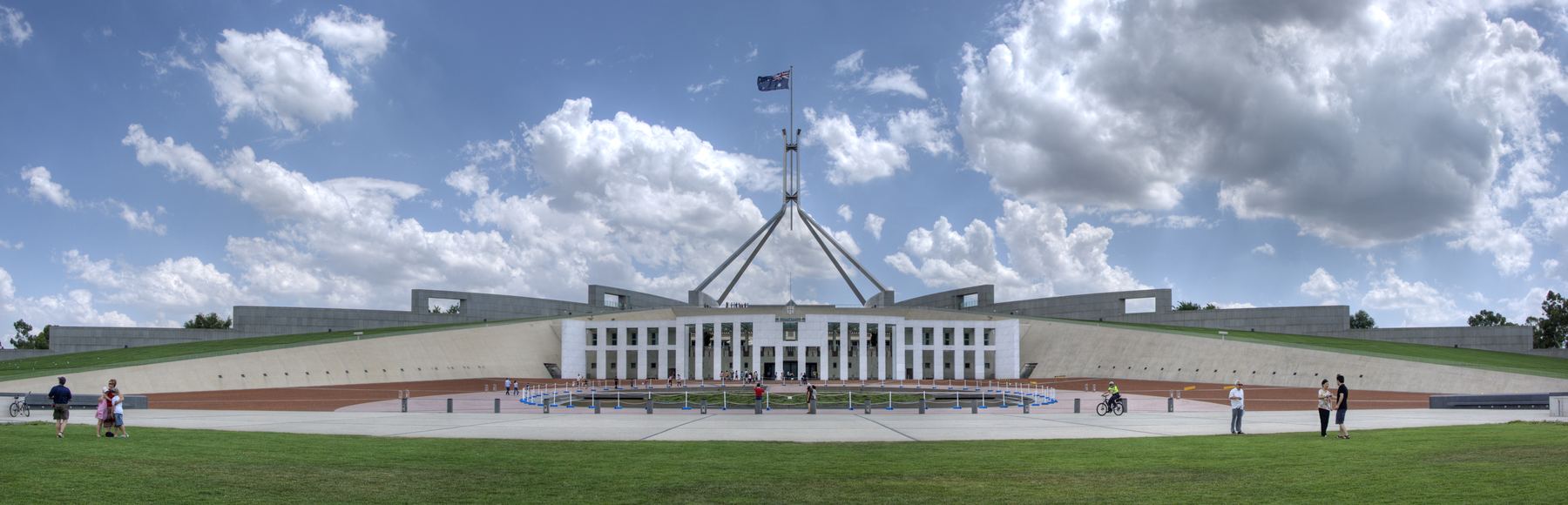
Canberra is Australia's purpose-built capital and one of the most undervisited cities in the country. The concentration of national museums, galleries, and institutions within easy walking or cycling distance of each other makes it an unusually rewarding destination for curious travellers.
Top experiences in Canberra
- Australian War Memorial
- National Gallery of Australia
- Parliament House
- National Museum of Australia
- Lake Burley Griffin cycling and kayaking
Why tourists choose Canberra
Canberra offers a concentration of world-class national institutions - the War Memorial, National Gallery, and Parliament House - that no other Australian city can match. The planned city also has a surprisingly good food and restaurant scene, excellent café culture, and remarkable value for money compared to Sydney and Melbourne.
Top things to do in Canberra
The Australian War Memorial is the most visited and most moving of the institutions - budget a full morning. The National Gallery holds Australia's most important art collection and is free for the permanent collection. Parliament House is open to the public daily and tours are free. The National Museum tells Australian history with depth and innovation. Lake Burley Griffin cycling is the best way to see the city as its architect Walter Burley Griffin intended.
Tours and guided experiences
Parliament House guided tours are free and run daily. Australian War Memorial is free entry. National Gallery permanent collection is free. Guided tours of the city by bike, including lakeside routes, run around AUD 45 to 65 per person. Canberra full-day tours from Sydney (3-hour drive each way) visiting Parliament House, the War Memorial, and the National Museum are bookable through major tour platforms for around AUD 95 including coach transport. The National Dinosaur Museum near the National Zoo costs around AUD 22 and is popular with families. Stromlo Forest Park mountain bike tours run from AUD 65.
Best areas to stay
Civic (the city centre) is the most practical base, close to the bus interchange, restaurants on Lonsdale Street, and walking distance to the major institutions. Kingston Foreshore is a more upscale, café-rich area on the lake's southern edge. Manuka suits visitors who want a village-like neighbourhood feel. Braddon is Canberra's most vibrant eating and drinking precinct, worth staying near if food is a priority.
Accommodation price guide
Budget hostels in Civic start from AUD 40 per dorm bed. Mid-range hotels in the CBD and Kingston Foreshore average AUD 140 to 220 per night. Boutique hotels in Kingston and Manuka run AUD 180 to 280. The Ovolo Nishi (New Acton) and Hotel Hotel are Canberra's standout design hotels, starting from AUD 200 to 350. Conference-adjacent hotels near Parliament House and the institutions are generally well-priced.
Where to eat in Canberra
Lonsdale Street in Civic is the main café and dining strip - strong on brunch and casual dining. Braddon, specifically Elouera Street and Mort Street, has become Canberra's most exciting food neighbourhood with excellent small-bar culture. Kingston Foreshore has waterfront restaurants good for a dinner with views. The New Acton precinct is home to some of Canberra's best design-led restaurants. For casual Asian food, Civic's Garema Place and surrounding streets are reliable.
Transport and getting around
The light rail (Canberra Metro) connects Civic to the Gungahlin Town Centre and is a good way to see the city. Buses cover the main routes via the Transport Canberra network. Fares use a MyWay card at around AUD 2.10 per trip. Cycling is excellent around Lake Burley Griffin - flat, well-signed, and scenic. Taxis and rideshares are affordable within the city (AUD 10 to 20 for most inner trips). Airport taxi to Civic costs around AUD 20 to 25 (10 minutes).
Best time to visit Canberra
September to November is spectacular during Floriade (flower festival) with over a million blooms in Commonwealth Park. March to May brings excellent autumn colours and the Canberra Balloon Spectacular. Winters (June to August) are cold and frosty but the city is quiet and very manageable. Summers are warm and dry, good for lake cycling.
How many days feels right
Two nights is enough for a focused cultural visit covering the headline institutions. Three nights allows more depth - the National Arboretum, a local winery visit to the Murrumbateman wine region (40 minutes north), and more time in the museums.
Practical tips
- Most national institutions are free - allow a full day for the War Memorial alone
- Hire a bike or use Pedal Power share-bikes for the Lake Burley Griffin loop (35km full circuit)
- Canberra is 3 hours from Sydney - an easy weekend trip by car or bus
- The National Arboretum is worth an afternoon and is free
Sample itinerary for Canberra
Day 1
War Memorial and Parliament House. Morning at the Australian War Memorial - arrive at opening (10am) for the Last Post ceremony and guided tour. Lunch on Lake Burley Griffin at the National Museum café. Afternoon: Parliament House self-guided tour (free).
Day 2
National Gallery and Lake Burley Griffin. Morning at the National Gallery (free permanent collection). Afternoon: hire a bike from around Acton Ferry Terminal and ride the Lake Burley Griffin circuit (35km full loop or shorter segments). Kingston Foreshore for dinner.
Day 3
Questacon and National Museum. Morning at Questacon (National Science and Technology Centre, AUD 23 adults). Afternoon National Museum of Australia (free). Optional: drive to Murrumbateman wine region for tastings.
Seasonal events in Canberra
Canberra Balloon Spectacular (hot air balloons over Lake Burley Griffin, early morning)
Floriade flower festival (Commonwealth Park, runs into October)
Floriade continues and NightFest evening events
National Folk Festival (Easter long weekend)
Enlighten festival (national institutions lit up after dark)
Visa and entry information
Most visitors need a visa before arriving in Australia. UK, US, and Canadian passport holders apply for an Electronic Travel Authority (ETA, subclass 601) via the Australian ETA app for AUD 20. European passport holders from eligible countries apply for a free eVisitor visa (subclass 651) online. All other nationalities apply for a Visitor visa (subclass 600) from AUD 250. Check the Australian Department of Home Affairs for your passport requirements.
Check the Australia visa guide and official sources
Frequently asked questions
How many days should I spend in Canberra?
Are the national museums in Canberra free?
Is Canberra worth visiting as a tourist?
Can I visit Canberra as a day trip from Sydney?
Go broader
Australian Capital Territory
Use the state guide to connect Canberra with surrounding regions, extra nights, and travel days that do not feel rushed.
Open Australian Capital Territory guidePopular planning guides
Use these related guides to keep planning without starting over.