Victoria road trip guide
Great Ocean Road travel guide
How to plan the drive from Melbourne, where to stop, when to go, and whether a day trip or overnight route makes more sense.
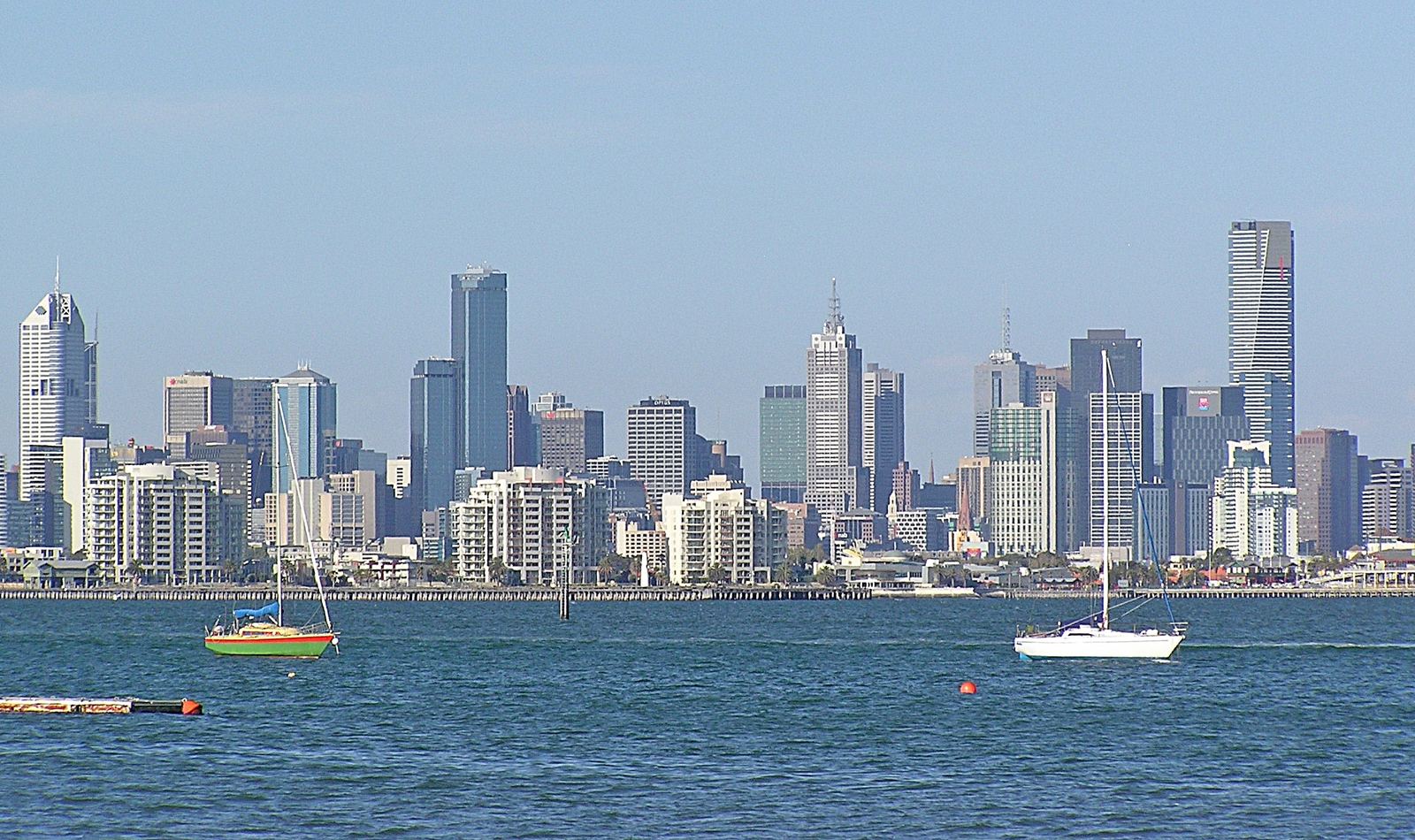
The Great Ocean Road is the classic coastal drive from Melbourne. You can see the Twelve Apostles on a long day tour, but the route is better with one overnight stop because the best parts are not only the final viewpoint. Surf towns, rainforest, cliff walks, and small coastal stops are what make the drive memorable.
Best Great Ocean Road stops
- Torquay and Bells BeachThe natural starting point for surf culture and the first coastal feel.
- LorneA good lunch stop with beach views, cafes, and access to nearby waterfalls.
- Apollo BayThe best overnight base for many first-time visitors.
- Great Otway National ParkAdd rainforest walks, tall trees, and a break from the coast road.
- Twelve ApostlesThe headline limestone stacks and the busiest viewpoint on the route.
- Loch Ard GorgeOften more atmospheric than the Twelve Apostles, especially outside peak hours.
- Port CampbellA practical small-town base if you want sunrise or sunset near the main rock formations.
One-day trip or overnight?
A one-day Great Ocean Road tour from Melbourne works if you only have limited time and want the main photos. Expect a long day, usually 12 to 13 hours. An overnight route is much better if you are driving yourself. Stay in Apollo Bay, Port Campbell, or Lorne so you can see the coast without spending the whole day in transit.
Simple 2-day Great Ocean Road itinerary
Day 1: Melbourne to Apollo Bay
Leave early, stop at Torquay, Bells Beach, Aireys Inlet, and Lorne, then stay in Apollo Bay. Keep the afternoon flexible for short walks and viewpoints.
Day 2: Apollo Bay to Twelve Apostles and return
Drive through the Otways, visit the Twelve Apostles, Loch Ard Gorge, and Port Campbell, then return inland to Melbourne. It is still a full day, but it feels far less rushed than a same-day return.
Best time to drive the Great Ocean Road
October to April is the easiest period for daylight, beach stops, and warmer weather. March to May and September to November are especially comfortable because the road is less crowded than peak summer. Winter can be dramatic and quiet, but weather changes quickly and daylight is shorter.
Costs and practical tips
- Group day tours from Melbourne often start around AUD 130 per adult.
- Rental cars vary heavily by season, but overnight parking is usually simple in coastal towns.
- Book Apollo Bay, Lorne, or Port Campbell accommodation early for summer weekends.
- Do not underestimate drive times. The coastal road is slow because of curves, viewpoints, and traffic.
- Carry a jacket even in warmer months. Wind along the cliffs can be sharp.
How long should you spend?
The Great Ocean Road can be done as a day trip from Melbourne, but that is the least relaxed version of the drive. A day trip works if your only goal is to see the Twelve Apostles and return, or if you prefer not to drive. For a better self-drive route, plan two days and one night. That gives you time to stop in Torquay, walk around Lorne, reach Apollo Bay without rushing, add a short Otways rainforest stop, and see the limestone coast around Port Campbell. Three days is better again if you want beaches, waterfalls, food stops, or sunrise and sunset near the Twelve Apostles.
A slower route also gives you room for weather, which matters on a coast where fog, wind, rain, and bright sun can all appear in the same day.
Where to stay
Apollo Bay is the easiest overnight base for a first drive because it sits roughly halfway between Melbourne and the Twelve Apostles. It has food, fuel, beach access, and a relaxed feel. Lorne is better if you want a prettier resort town, cafes, and nearby waterfalls, but it leaves more driving for the second day. Port Campbell is best if the limestone formations are the priority, because it puts you close to Twelve Apostles, Loch Ard Gorge, London Bridge, and The Grotto. For a three-day trip, split the nights between Lorne or Apollo Bay and Port Campbell. In summer and on long weekends, book early.
Small coastal towns fill quickly and last-minute rooms can be expensive.
Driving direction and pace
Most travellers start in Melbourne and drive west toward the Twelve Apostles. This puts the coast on the left side of the road, which makes viewpoint pull-ins easier and gives passengers the better ocean view. Returning inland through Colac is faster than driving the same coast road back. If you have time, returning via the Otways or staying another night around Port Fairy gives the trip more shape. The road is sealed and suitable for normal cars and campervans, but it is slow because of curves, lookouts, towns, buses, and weekend traffic. Do not plan this like a motorway drive. A short distance can still fill half a day if you actually stop.
What to skip if time is tight
If time is tight, do not try to stop at every signed lookout. Choose a few strong places and give them proper time. Torquay or Bells Beach, Lorne, Apollo Bay, one Otways rainforest walk, Twelve Apostles, Loch Ard Gorge, and Port Campbell are enough for two days. Skip minor viewpoints if weather is poor or traffic is heavy. The Twelve Apostles are famous, but Loch Ard Gorge often feels more memorable because you can get closer to the cliffs and beach. If you only have one day, consider a tour so the long return drive is not your problem.
Costs and planning
The road itself is free, and most lookouts are free. Your main costs are car hire, fuel, accommodation, food, parking, and optional tours. A compact rental car is usually enough. Campervans work well, but book powered sites or legal campgrounds rather than assuming you can sleep beside the road. Fuel is available in Torquay, Lorne, Apollo Bay, Port Campbell, and inland towns, but prices are usually better before leaving Melbourne. Pack snacks, water, a jacket, and shoes that can handle short muddy tracks. Mobile coverage is generally decent in towns but can dip between headlands and forest sections.
Daily rhythm
Start early, but do not treat the drive as a transfer between famous lookouts. The best parts of the Great Ocean Road often happen between the big names: coffee in Lorne, a quiet beach access, a short rainforest walk, or ten extra minutes at a cliff view when the light changes. Aim to reach your overnight town before dark so you can check in, park properly, eat without rushing, and take a short evening walk. If you are travelling with children, driving a campervan, or adjusting to left-side driving, keep the first day especially gentle.
A shorter day with good stops will feel better than a long checklist that leaves no room to enjoy the coast. Keep a few optional stops in reserve, then choose them on the day according to weather, traffic, and energy. Before leaving each morning, check the forecast, fuel level, and dinner plan. Small coastal kitchens and supermarkets can close earlier than visitors expect, especially outside summer. Save accommodation details, car parks, and key stops offline so a reception gap in the Otways or along the cliffs does not derail the day.
Keep a small day bag with water, sunscreen, jacket, camera, and walking shoes separate from your main luggage. It makes the frequent short stops much easier and keeps the drive from becoming a constant unpacking job. A dry extra layer is useful too, because wind and sea mist can arrive quickly even when Melbourne was clear in the morning.
Self-drive planning
Compare car rentals for your route
Check pickup location, one-way fees, kilometre limits, insurance excess and unsealed-road exclusions before choosing a vehicle.