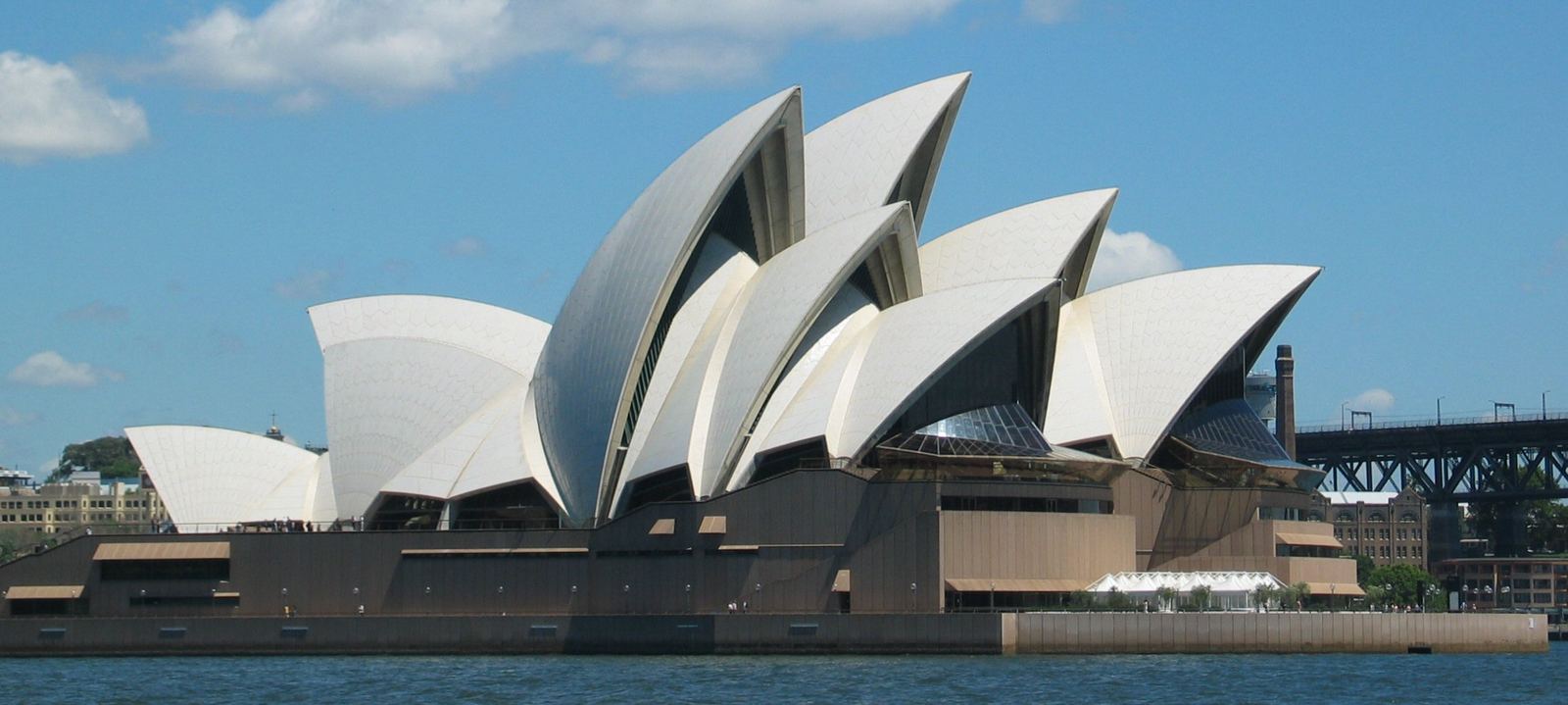
New South Wales
Sydney
Australia's best-known city for harbour views, beaches, dining, and day trips.
State guide
Harbour cities, wine regions, surf beaches, mountain lookouts, and classic east coast touring.
The main gateway for most visitors is Sydney Airport, which provides onward connections by road, rail, or domestic flight to most parts of the state. If you are arriving internationally, check flight connections through this gateway before finalising your itinerary.
Sydney is the essential gateway but not a useful base for every region. Choose the Blue Mountains for lookouts and walks, Hunter Valley for food and wine, the South Coast for beaches and national parks, the North Coast for surf towns and a longer road trip, or Central West and inland NSW for country towns, food and open landscapes.
Pair Sydney with the Blue Mountains when time is short or you prefer rail and tours. Choose Jervis Bay or the South Coast for a self-drive beach trip. Choose the Hunter Valley if tastings and restaurants are the focus. Byron Bay belongs to a north-coast itinerary or a separate flight plan, not a quick Sydney side trip.
Five days supports Sydney plus one regional base. Seven days can combine Sydney, the Blue Mountains and either the Hunter Valley or South Coast. Ten to fourteen days supports a genuine north-coast, south-coast or inland circuit. Leave the final night within a reliable journey of the departure airport and avoid joining the far north and far south in one short holiday.
Sydney Airport and the city rail network make the urban portion straightforward without a car. Intercity and regional services reach selected centres, but a car becomes useful for smaller beach towns, national parks and multi-stop routes. Organised tours can replace driving for wine tasting and concentrated mountain sightseeing. Pick transport by region rather than renting one vehicle for the entire holiday.
Coastal swimming, alpine conditions, inland heat and mountain walking do not share one ideal season. Check the forecast and fire, flood, snow or park alerts for the actual route. Holiday traffic and accommodation demand can matter as much as temperature, particularly on the coast and around long weekends.
Circular Quay or the CBD is practical for a first Sydney stay; Katoomba works for the central Blue Mountains; Pokolbin and nearby villages suit the Hunter; Huskisson or Vincentia suits Jervis Bay. On longer coast routes, two-night bases reduce packing and allow for weather. Driving times are planning estimates and Sydney traffic can add a substantial delay.
Sydney hotels, coastal holiday periods and popular regional weekends can raise the budget. Book scarce accommodation, national park campsites, major tours and the first nights early, then keep minor stops flexible. Compare a rental car’s full cost—including parking, tolls, fuel and one-way fees—with rail or a tour for the same sector.
Use these related guides to keep planning without starting over.
September to November and March to May is generally the most comfortable period for a first visit. Seasonal conditions vary across New South Wales, so the ideal timing depends on whether your priorities are urban sightseeing, beach access, hiking, wildlife, or touring wine and food regions.
Peak holiday periods can still be worth visiting if your dates are fixed, but accommodation costs more and popular experiences need earlier booking. Shoulder seasons generally offer better value, calmer attractions, and more comfortable walking and driving conditions.
Public transport works well within the main gateway city, but a hire car is usually necessary once you start exploring regional areas, wine country, national parks, or smaller coastal towns on your own schedule.
Distances are frequently larger than they appear on a map. Allow extra time for scenic regional drives - you will want to stop for lookouts, food breaks, walks, and photography. Building in that breathing room usually makes the trip feel richer and less stressful.