Campervan guide - Tasmania
Tasmania by campervan
A compact campervan island with scenic roads and many wilderness campgrounds.
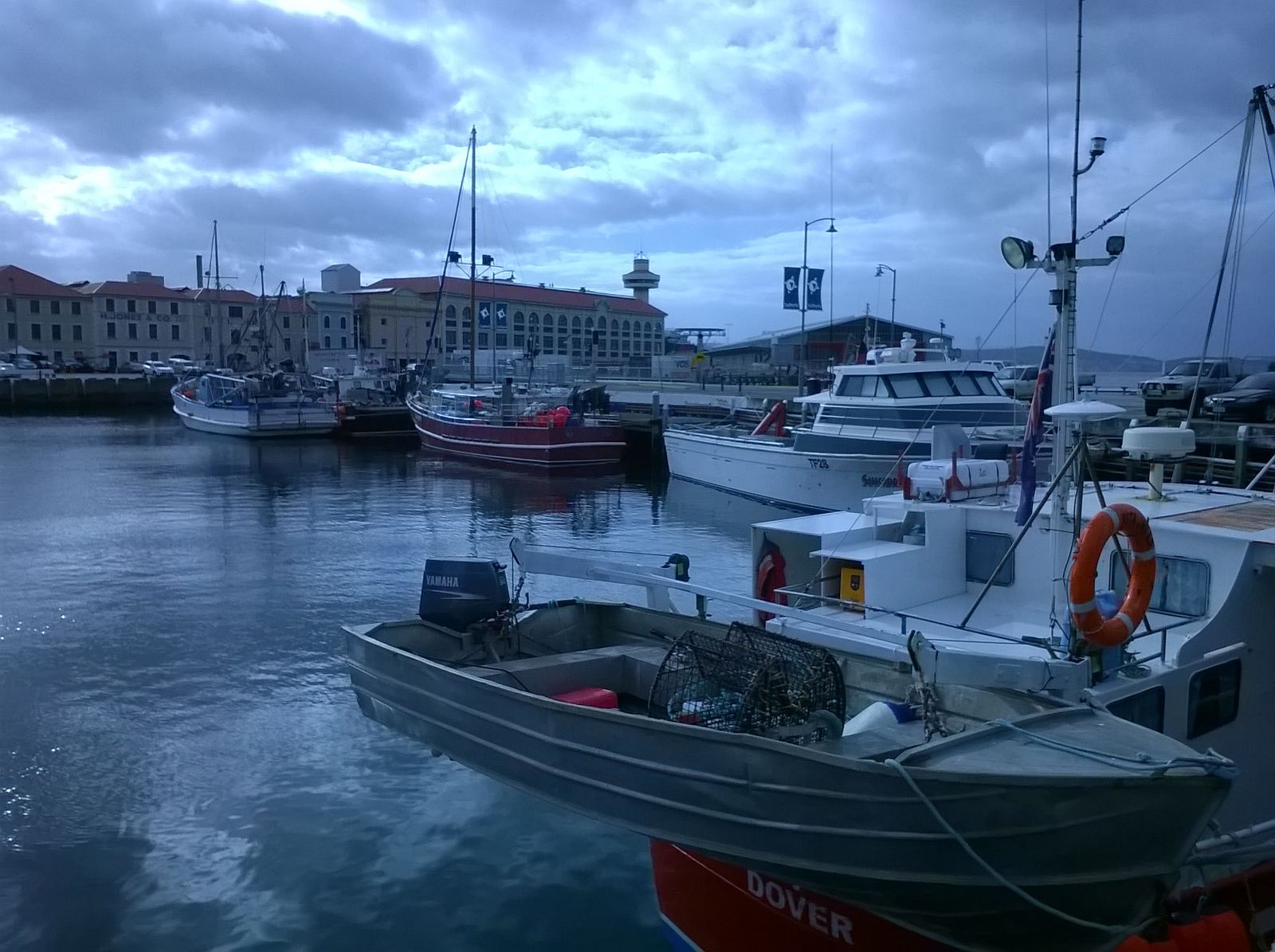
Tasmania is a strong campervan destination for travellers who want scenery without mainland-scale distances. The island is compact enough to circuit in two weeks, but it is not a place to rush. Roads are often winding, weather changes quickly, and the best days come from stopping often: a bakery in a small town, a short rainforest walk, a beach pull-in, a farm-gate fridge, or a quiet campground where the evening light sits on the water. A Tasmania campervan trip works because the logistics stay manageable while the landscape keeps changing.
You can start with Hobart waterfront culture, drive to Freycinet and the east coast, cross to Launceston and the Tamar Valley, climb towards Cradle Mountain, then roll through the wild west coast and back towards the Huon Valley without needing giant highway days. The Spirit of Tasmania ferry from Geelong to Devonport takes campervans and motorhomes, which makes the island accessible with your own vehicle. Flying into Hobart or Launceston and hiring locally is simpler for short trips, but the ferry is useful if your van setup is already dialled in or you want to carry more gear, bikes, food, or camping equipment.
Routes & suggested stages
12-16 days. The classic route: Freycinet Peninsula, the east coast, Bay of Fires, Launceston, Cradle Mountain, Strahan and the West Coast, then back south through Huonville and the Huon Valley.
5-7 days. The most popular shorter route. Bicheno, Freycinet (book months ahead), St Helens, and Bay of Fires. Excellent free camping at Sloop Rock and Cosy Corner.
5-7 days. Cradle Mountain has a dedicated campground at Cradle Valley. Strahan and Queenstown offer a completely different industrial landscape from the wilderness.
2-3 days. A gentle intro to Tassie van travel. The Huon Valley has farm gates, cider producers, and excellent local produce. D'Entrecasteaux Channel views.
Camping & free camps
Parks & Wildlife Tasmania manages campgrounds at Freycinet, Cradle Mountain, Mount Field, Fortescue Bay, Maria Island ferry access areas, and many other reserves. The best-known sites need planning. Freycinet must be booked online and can disappear quickly during summer, Easter, and school holidays. Cradle Mountain is easier if you book a powered or unpowered site near the visitor centre and use the shuttle rather than trying to move the van during the day.
Bay of Fires is the free-camping headline, especially Sloop Rock and Cosy Corner, but you still need to respect signs, stay limits, toilets, and local conditions. Tasmania also has good low-cost council and community camping in smaller towns, plus private caravan parks where a powered site, hot shower, laundry, and camp kitchen can be worth the money after several cold or wet nights. Do not assume you can sleep on any attractive beach pull-off. Hobart, Launceston, and many coastal councils restrict overnight street parking, and enforcement is more visible in peak season.
A good pattern is to mix national park campgrounds, free coastal camps, and occasional paid parks so you are never chasing water, charging, showers, and waste disposal at the last minute.
Best season to go
October to April is the main campervan season. November and early December are excellent for longer daylight before the full summer rush. January and February bring the warmest weather and the highest pressure on ferry crossings, campgrounds, rental vans, Freycinet, Bay of Fires, Bruny Island, and Cradle Mountain. March and April are often the sweet spot: calmer roads, autumn colour in the valleys, cooler nights, and a better chance of finding sites without planning every minute. Winter is possible in a well-insulated van, but it is not a casual beach-road-trip season.
Cradle Mountain gets snow, highland roads can be icy, and damp weather makes a cheap, poorly ventilated van feel miserable. The west coast is wet year-round, so pack for rain even in summer. The trick is not to wait for perfect weather. Build a route with flexible walking days and a few indoor options: MONA, distilleries, bakeries, historic sites, small museums, and long lunches all save a wet day.
Roads & vehicle type
Most sealed Tasmanian roads are suitable for standard 2WD campervans, but mainland driving habits do not translate well. Distances are short, yet average speeds are lower because roads are narrow, curved, hilly, and often shared with log trucks, wildlife, cyclists, and visitors pulling over for photos. The Lyell Highway between Hobart and Queenstown is sealed but slow and winding. The road into Cradle Mountain is manageable, but weather can change fast.
Some national park and forestry access roads are gravel, corrugated, or narrow, and larger motorhomes may be excluded by rental contracts even when a local ute can drive through easily. Always read the hire agreement before taking a van onto unsealed roads. Avoid driving at dawn, dusk, and night when wallabies, wombats, possums, and pademelons are most active. Wildlife strikes are common and can ruin both the trip and the van bond. Use pull-outs to let faster local traffic pass, especially on climbs and west coast bends.
If a drive looks short on the map, add time for slower roads, photo stops, fuel, groceries, and weather.
LPG, dump points & services
Devonport and Hobart have the best campervan service options, with Launceston also useful for supplies, repairs, supermarkets, outdoor gear, and route resets. Spirit of Tasmania treats campervans and motorhomes as vehicles, with pricing based on vehicle size, sailing date, cabin or recliner choice, and demand. Book early for summer, Easter, and school holidays, and double-check vehicle height when you reserve. LPG, fuel, groceries, laundries, and dump points are available in all major towns, but do not leave every chore until the west coast or a national park.
Fill water whenever it is easy, empty waste before remote sections, and keep a small food buffer for Sunday trading, weather delays, and ferry changes. Mobile coverage is strongest around Hobart, Launceston, Devonport, Burnie, and the main highways; it drops in valleys, forests, and parts of the west coast. Offline maps are essential. If you work remotely or need reliable contact, plan around coverage rather than assuming it. A powered site every few nights is useful for charging, drying gear, running heaters safely, and giving the van a reset.
Frequently asked questions
Where can I free-camp in Tasmania?
How long do I need to drive around Tasmania?
When is the best time to take a campervan to Tasmania?
Do I need to book the Spirit of Tasmania ferry well in advance?
Are Tasmanian roads campervan-friendly?
Stay connected with Starlink
Mobile coverage can drop outside cities, towns, and main corridors. Starlink can provide satellite internet on the road where conditions and plans allow. Start through the referral link, then choose or switch to Roam at your destination if needed.
Referral link. If someone signs up for Starlink through this link, both the referrer and the new customer may receive one month of free service 30 days after activation.
Go broader
Tasmania state travel guide
General travel tips, city guides, and planning information for all visitors to Tasmania - not just campervan travellers.
Open Tasmania guide