City guide — South Australia
Adelaide travel guide
A compact capital with markets, festivals, beaches, and instant access to wine country.
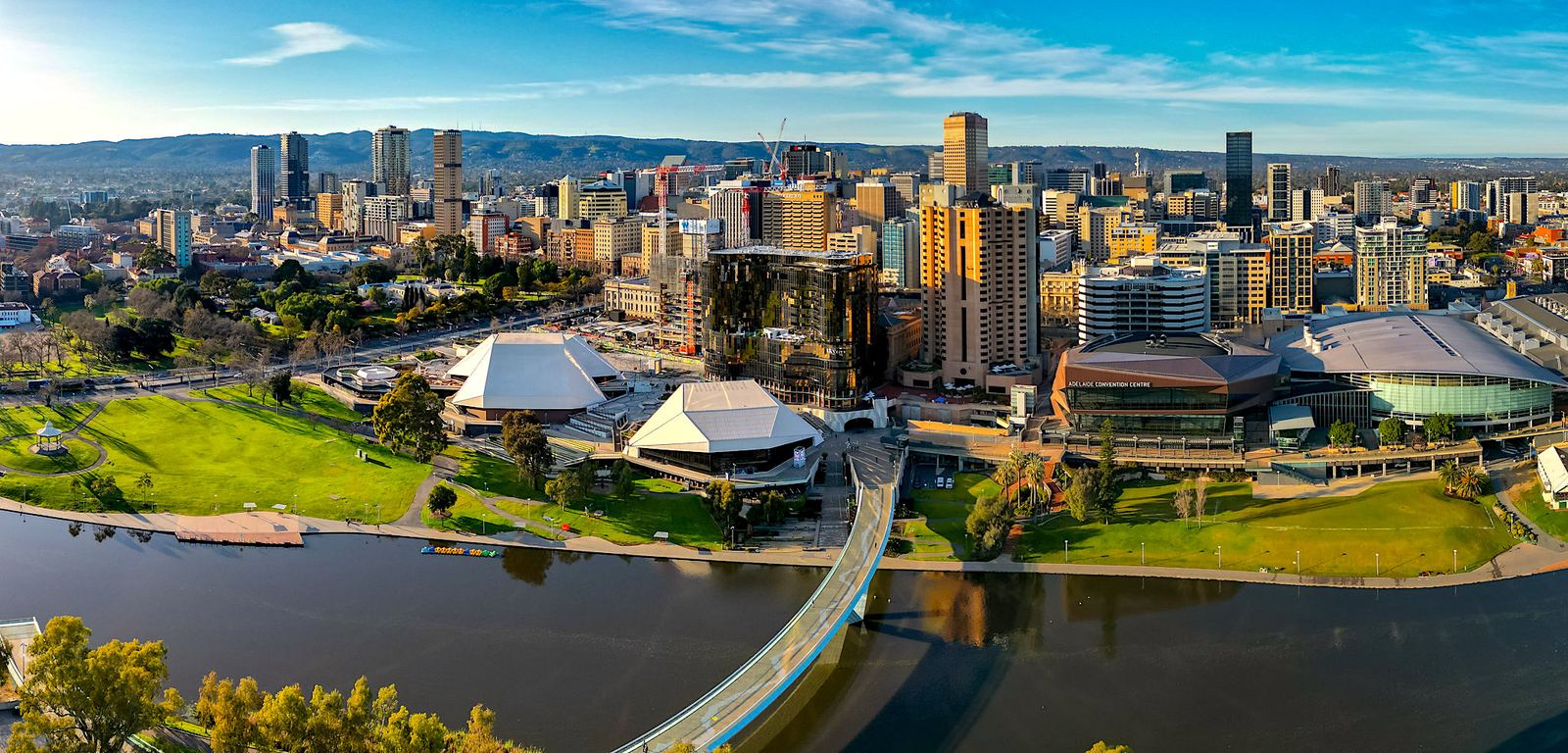
Adelaide is one of Australia's most underappreciated cities. Its compact grid, excellent food and wine scene, and instant access to two of the country's great wine regions make it an easy and rewarding base for three to five days.
Top experiences in Adelaide
- Adelaide Central Market
- North Terrace cultural precinct
- Barossa Valley wine day
- McLaren Vale coastal cellar doors
- Glenelg Beach tram
- Kangaroo Island wildlife
Why tourists choose Adelaide
Adelaide punches well above its size for food, wine, and culture. The Central Market, Barossa Valley proximity, and festival culture give the city a genuine character. It is also one of the most affordable and walkable Australian capitals, making it excellent value for money.
Top things to do in Adelaide
The Central Market and North Terrace cultural precinct anchor the city experience. Barossa Valley and McLaren Vale are the two most rewarding wine-region day trips. Glenelg Beach is a 20-minute tram ride from the city centre. Kangaroo Island is a ferry and short drive away for those who can spare a full day or two.
Tours and guided experiences
Barossa Valley full-day wine tours from Adelaide visiting three to four wineries cost around AUD 150 to 180 per person including tastings and lunch. McLaren Vale wine and food tours run around AUD 130. Kangaroo Island day tours (ferry from Cape Jervis plus guided island tour) run around AUD 280 and are long but rewarding. Hahndorf German village day trips cost around AUD 75. Walking food tours of the Central Market area run from AUD 79 per person. Compare current operators before booking.
Best areas to stay
The city centre grid is compact and easy to navigate - any hotel within the park belt is well positioned. North Adelaide is quiet and leafy, good for families. Glenelg suits those who want beach access combined with a tram link to the city. The East End near Rundle Street suits food and nightlife lovers.
Accommodation price guide
Budget hostels in the CBD start from AUD 35 per dorm bed. Mid-range hotels in the city centre average AUD 130 to 200 per night. Boutique hotels in North Adelaide and the East End run AUD 180 to 260. Glenelg beachfront hotels average AUD 200 to 320 per night. Luxury options like the Mayfair Hotel and InterContinental Adelaide start from AUD 280 to 450.
Where to eat in Adelaide
Gouger Street is the best-known restaurant strip, strong on Asian cuisines and fresh seafood. Rundle Street in the East End has excellent modern Australian restaurants and wine bars. North Adelaide's O'Connell Street is good for neighbourhood cafés and brunch. The Central Market itself has excellent food stalls for a market lunch. The Norwood Parade in suburban Norwood is worth the short drive for Italian and Mediterranean dining.
Transport and getting around
The Adelaide Metro covers buses, trains, and the Glenelg tram on a MetroCard. A single trip costs around AUD 2.10 (peak) to AUD 1.71 (off-peak). The Glenelg tram from Victoria Square to the beach takes about 25 minutes. Airport transfers: taxi or rideshare to CBD costs AUD 25 to 35 (about 20 minutes). No train to the airport - bus route SkyLink costs AUD 5.50. Barossa Valley requires a car or guided tour (no public transport option). McLaren Vale is 40 minutes by car or bus from the city.
Best time to visit Adelaide
March to May is ideal - harvest season in the wine regions, the Adelaide Fringe festival, WOMADelaide, and comfortable temperatures around 22 to 28°C. September to November is also excellent with spring blooms. Summers can be very hot (above 40°C during heatwaves) but the city generally handles them well.
How many days feels right
Three nights suits a city-focused visit with one day trip. Five nights allows both Barossa and McLaren Vale to be explored comfortably, with time to see the city properly.
Practical tips
- Central Market is best Tuesday to Saturday morning
- Barossa Valley is under an hour by car from the city
- Adelaide is very walkable - the park belt surrounds the CBD grid
- Book ahead for WOMADelaide and Fringe - accommodation fills months in advance
Sample itinerary for Adelaide
Day 1
City centre and Central Market. Morning walk through the Central Market. North Terrace cultural precinct - choose between the SA Museum, Art Gallery, and Migration Museum (all free). Rundle Street evening for dinner.
Day 2
Barossa Valley wine day. Depart by 9am (hire car or guided tour). Visit three to four wineries including Penfolds Magill Estate or Jacob's Creek, a cheese producer, and optional chocolate tastings. Return by 5pm.
Day 3
McLaren Vale and Glenelg. Morning drive south to McLaren Vale (40 minutes). Visit two coastal cellar doors. Drive to Glenelg for lunch. Return to city by tram.
Seasonal events in Adelaide
Adelaide Fringe (world's second-largest arts festival, runs into March)
Clipsal 500 / Adelaide 500 motorsport
Tasting Australia food and drink festival
Barossa Vintage Festival (odd-numbered years) and Adelaide Film Festival
Visa and entry information
Most visitors need a visa before arriving in Australia. UK, US, and Canadian passport holders apply for an Electronic Travel Authority (ETA, subclass 601) via the Australian ETA app for AUD 20. European passport holders from eligible countries apply for a free eVisitor visa (subclass 651) online. All other nationalities apply for a Visitor visa (subclass 600) from AUD 250. Check the Australian Department of Home Affairs for your passport requirements.
Check the Australia visa guide and official sources
Frequently asked questions
How many days should I spend in Adelaide?
Is Adelaide worth visiting on a first Australia trip?
What is Adelaide most famous for?
Do I need a car in Adelaide?
Go broader
South Australia
Use the state guide to connect Adelaide with surrounding regions, extra nights, and travel days that do not feel rushed.
Open South Australia guidePopular planning guides
Use these related guides to keep planning without starting over.