Victoria
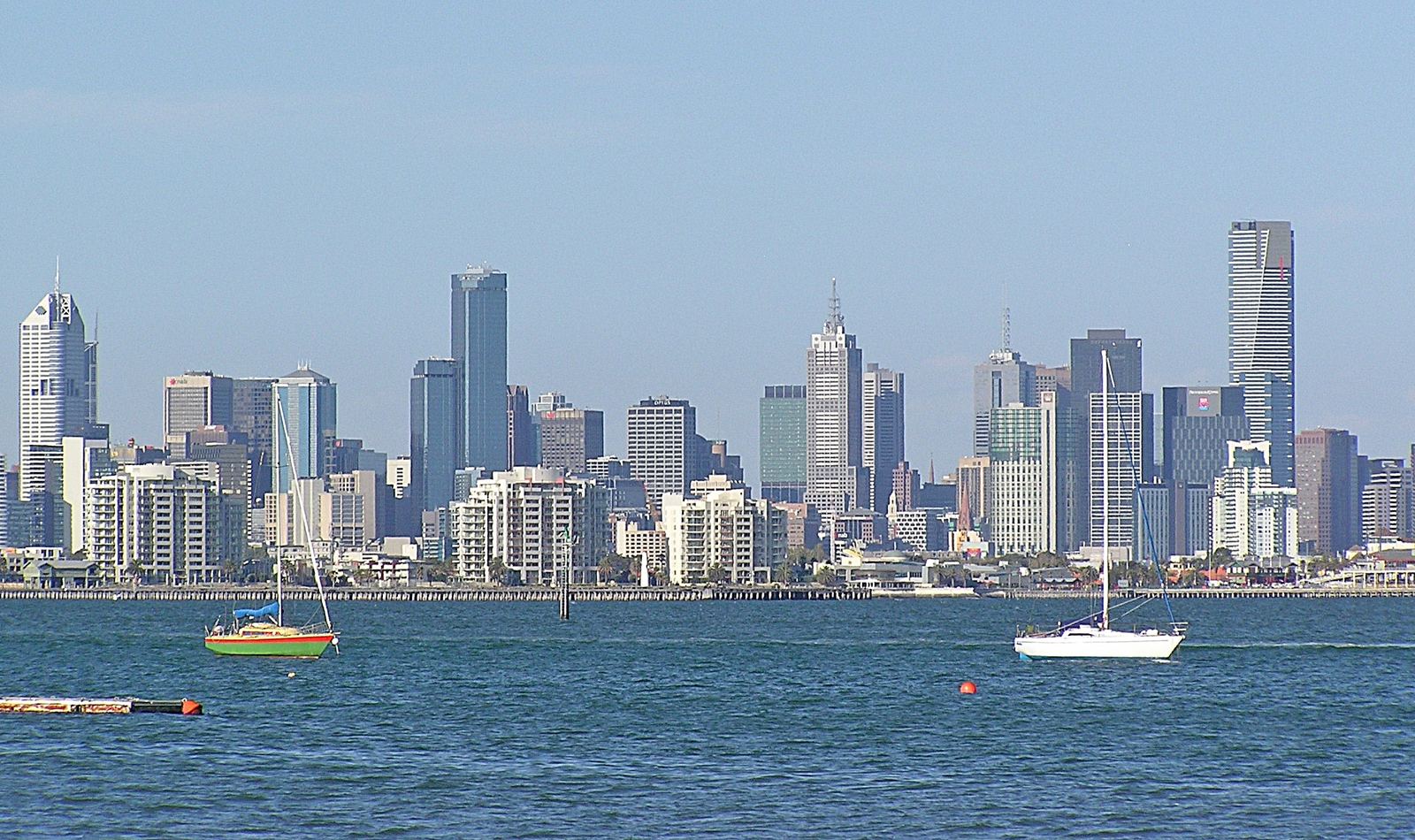
Melbourne
Culture-rich city breaks with laneways, coffee, sport, galleries, and day trips.
State guide
Laneway culture, food and wine, dramatic coastal drives, alpine scenery, and compact regional escapes.
The main gateway for most visitors is Melbourne Airport (Tullamarine), which provides onward connections by road, rail, or domestic flight to most parts of the state. If you are arriving internationally, check flight connections through this gateway before finalising your itinerary.
Use Melbourne for food, galleries, sport and neighbourhoods; the Great Ocean Road for cliffs, beaches and a road trip; Yarra Valley for a wine day; Mornington Peninsula for coast, food and a short retreat; the Grampians for walks and mountain scenery; and the High Country for seasonal alpine trips.
A first visit usually combines Melbourne with one regional contrast. Choose the Great Ocean Road for scenery, Yarra Valley for an easy organised day, Mornington Peninsula for food and beaches, or the Grampians when walking is the priority. Do not attempt the Great Ocean Road and Grampians as casual add-ons to the same short city break.
Four days supports Melbourne plus one close day trip. Seven days allows three or four Melbourne nights and a two-night Great Ocean Road journey or regional stay. Ten days can combine Melbourne, the Great Ocean Road and the Grampians, or build a slower food-and-coast loop. Protect the final day from a long return drive.
Melbourne is the main gateway and its central attractions work well by tram, train and walking. Regional trains reach major centres, but a car is more flexible for coastal roads, wineries and national parks. Tours suit the Great Ocean Road when time is short and wine regions when nobody should be the designated driver.
Melbourne works year-round with indoor alternatives. Coastal weather can be cool and windy in any season, alpine areas have winter snow and changing road conditions, and inland or western areas can be hot and fire-prone in summer. Match clothing, vehicle and booking strategy to the region rather than the city forecast.
Stay centrally for a short Melbourne visit, use an overnight town such as Apollo Bay or Port Campbell to slow the Great Ocean Road, and base within a wine region if dinner and cellar doors matter. Parking, event weekends, one-way rental fees and popular coastal accommodation can change the budget. Book major events and limited regional stays early.
Use these related guides to keep planning without starting over.
March to May and September to November is generally the most comfortable period for a first visit. Seasonal conditions vary across Victoria, so the ideal timing depends on whether your priorities are urban sightseeing, beach access, hiking, wildlife, or touring wine and food regions.
Peak holiday periods can still be worth visiting if your dates are fixed, but accommodation costs more and popular experiences need earlier booking. Shoulder seasons generally offer better value, calmer attractions, and more comfortable walking and driving conditions.
Public transport works well within the main gateway city, but a hire car is usually necessary once you start exploring regional areas, wine country, national parks, or smaller coastal towns on your own schedule.
Distances are frequently larger than they appear on a map. Allow extra time for scenic regional drives - you will want to stop for lookouts, food breaks, walks, and photography. Building in that breathing room usually makes the trip feel richer and less stressful.