Goldfields guide
Kalgoorlie travel guide: goldfields
Gold rush history, big mining landscapes, heritage streets, and a very different Western Australia beyond the coast.
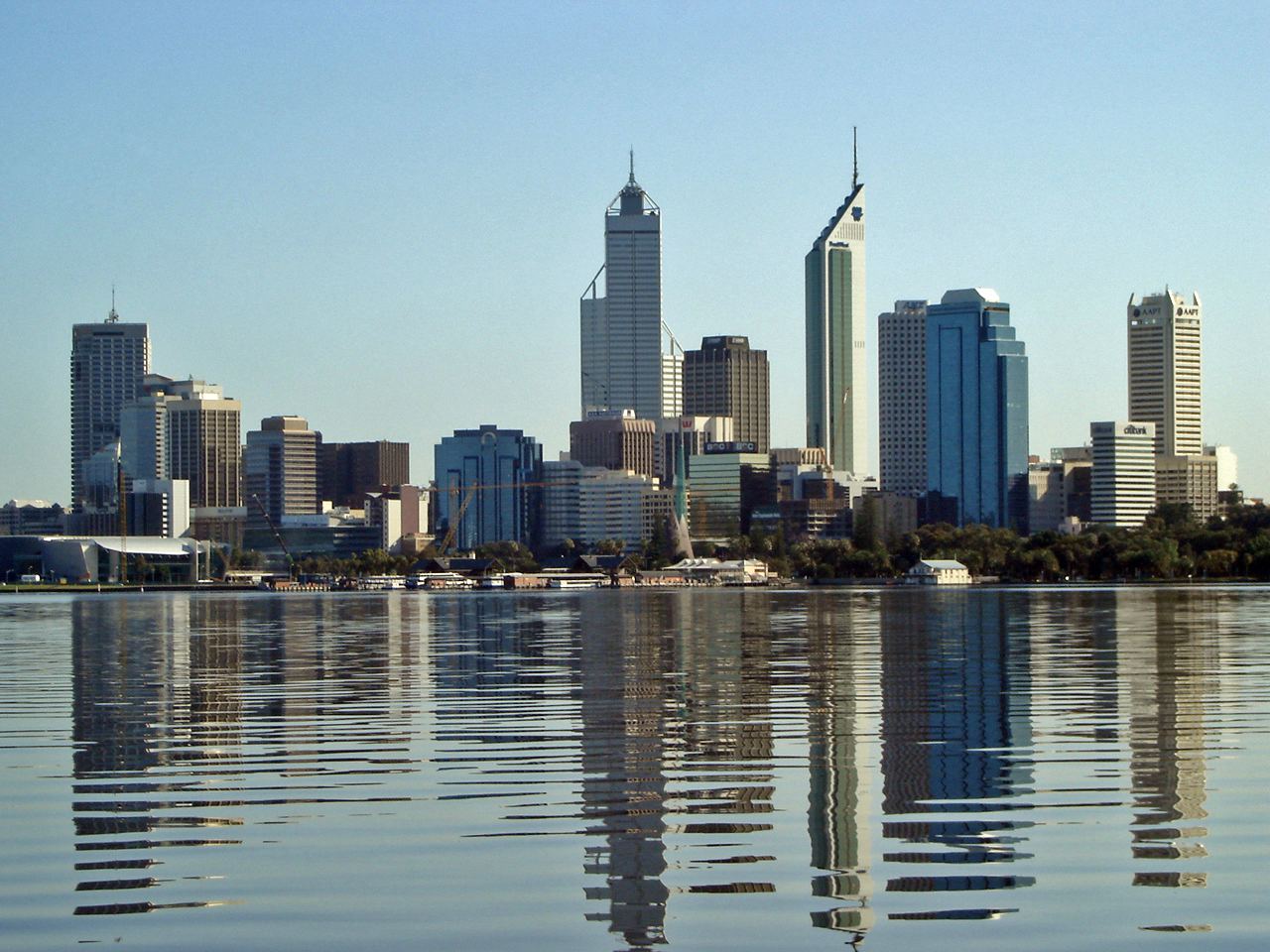
Kalgoorlie is not a beach escape. It is a working Goldfields city where mining history, wide streets, old hotels, red dirt, and the Super Pit give Western Australia a completely different mood. Add it when you want more than coast and wineries.
The city works as a short flight or train trip from Perth, a stop on the way to Esperance, or part of a larger outback route. It rewards travellers who enjoy history, industrial landscapes, and places that still feel connected to their original reason for existing.
Why visit Kalgoorlie
Kalgoorlie gives context to Western Australia’s inland wealth and gold rush past. The main streets still carry the scale of a mining boom town, while the Super Pit shows how large modern mining has become. It is a good contrast after Perth, Margaret River, or the coast because the landscape, architecture, and daily rhythm feel different.
Top things to do
Start with the Super Pit lookout, then visit the Museum of the Goldfields, walk Hannan Street, look at the historic hotels, and allow time for the Hannans North Tourist Mine if open. If you like trains, the Prospector service from Perth makes the journey part of the experience. Evening pub meals and heritage streets are part of the town’s appeal.
How long to stay
One night is enough for a quick look if you arrive early. Two nights is better because you can visit the main sights without rushing and still have time for a relaxed evening. Three nights makes sense if you are using Kalgoorlie as a base for nearby Goldfields towns or a slower drive toward Esperance.
Getting there
You can drive from Perth, take the Kalgoorlie Prospector train, or fly. Driving gives flexibility, but the train is comfortable and distinctive. If continuing to Esperance or the Nullarbor, check vehicle condition, fuel, water, and accommodation because distances become more serious once you leave the city.
Visitor mindset
Kalgoorlie is best approached as a real working city, not a polished theme town. Some of the interest is in that honesty. Go for history, scale, pubs, museums, and the feeling of being far inland. Pair it with Esperance or Wave Rock if you want a route with both Goldfields character and south-coast scenery.
Suggested route
- Hannan StreetWalk Kalgoorlie’s main street for heritage buildings, old hotels, cafes, pubs, and the feel of a real Goldfields city.
- Super Pit lookoutStop for the huge open-cut mine view that explains Kalgoorlie’s scale and modern mining identity.
- Museum of the GoldfieldsVisit for gold rush history, local stories, views from the headframe, and a clearer sense of how the city grew.
- Historic hotelsLook for wide verandahs, old facades, pub meals, and the boom-town architecture that gives Kalgoorlie character.
- Hannans North Tourist MineAdd this if open for mining equipment, goldfields interpretation, and a more hands-on look at the industry.
- Prospector train optionConsider the train from Perth if you want the journey to feel different from another long highway drive.
- Esperance or Wave Rock extensionContinue south for beaches at Esperance or west through Hyden if you want to turn Kalgoorlie into a wider loop.
Planning notes
Best time and weather planning
Western Australia changes with latitude, so do not use one season rule for the whole state. The south-west and south coast are most comfortable from spring to autumn, while the northern coast, Coral Coast, and inland routes are usually easier from April to October. Summer can be beautiful around Perth beaches but harsh inland. Winter can be excellent for long drives north, yet cooler and wetter in the south. Always match the route to the month, not just to cheap flights.
Driving distances and fatigue
WA distances are the planning point that catches visitors most often. A line on the map can hide a full day of driving, limited food choices, and long gaps between services. Build days around realistic stops, not optimistic map times. Leave early, avoid dusk, and do not let one booking force a tired final hour. A safe road trip here is usually a slower one, with enough time for fuel, walks, photos, and a proper arrival before dark.
Vehicle choice and road conditions
Most routes in these guides can be done in a normal 2WD on sealed roads, but that does not mean every side road, beach track, or national park access is allowed by your rental contract. Read the exclusions before you book. If you need a 4WD, hire one because the route requires it, not because it looks adventurous. Check road conditions after rain, watch for gravel shoulders, and keep tyre pressure and spare tyre access in mind.
Food, water, fuel, and bookings
Carry water even on simple day trips, and keep snacks in the car when towns are far apart. Fuel is easy around Perth and larger regional centres, but remote routes reward the habit of topping up early. Book scarce accommodation first: Exmouth, Coral Bay, national park campgrounds, Esperance in summer, and roadhouse rooms on the Nullarbor. Save key details offline because mobile reception still drops in forests, gorges, coast sections, and inland stretches.
How to make the trip feel better
The best WA trips usually choose a strong route and then give it breathing room. Add two-night stops where the landscape is the reason you came. Keep a short list of optional lookouts or beaches, then choose them on the day. If the weather turns, slow down rather than forcing the schedule. Western Australia rewards simple decisions: fewer bases, earlier starts, practical supplies, and enough time to enjoy the space between the famous places.
Sample pacing for first-time visitors
For a first Western Australia trip, avoid building the plan around maximum distance. A better rhythm is one arrival day, one stronger sightseeing day, and one slower day before moving on. On the coast, slower days might mean a beach morning, a national park walk, groceries, laundry, and sunset rather than a packed attraction list. Inland, it may mean leaving early, reaching the next town by mid-afternoon, and using the evening to reset. This style sounds simple, but it is what keeps long WA trips enjoyable after the novelty of the open road wears off.
Budget and comfort choices
WA can be cheap or expensive depending on how often you move and what you book late. Fuel and accommodation are the fixed costs that surprise people most. Campervans can save money if you use legal campgrounds and cook simple meals, but they are not automatically cheaper once hire, insurance, fuel, powered sites, and one-way fees are counted. Motels and cabins are easier for short trips and bad weather. The best value often comes from choosing the right region for your season and staying long enough that each transfer day feels worth it.
What to book before you go
Book the rare pieces first: national park campgrounds, Exmouth and Coral Bay rooms, Esperance summer stays, Nullarbor roadhouse rooms, ferry or special tours, and any whale shark or marine wildlife experience that matters to you. Leave ordinary lunch stops and minor lookouts flexible. If a town has only a few beds, do not assume you can solve it on arrival. If a route has many options, keep space for local advice. WA travel works best when the important pieces are secure and the rest of the day can still breathe.
Small details that matter on WA trips
Pack for the day before you pack for the week. Keep water, sun protection, a warm layer, swimwear, chargers, basic medication, and walking shoes easy to reach. On long drives, this prevents every beach, lookout, or roadhouse stop from turning into a full unpack. It also makes the trip feel more relaxed because you can respond to the weather in front of you. If the wind drops, swim. If the heat builds, choose shade and a longer lunch. If the road feels tiring, stop early and protect the next day.