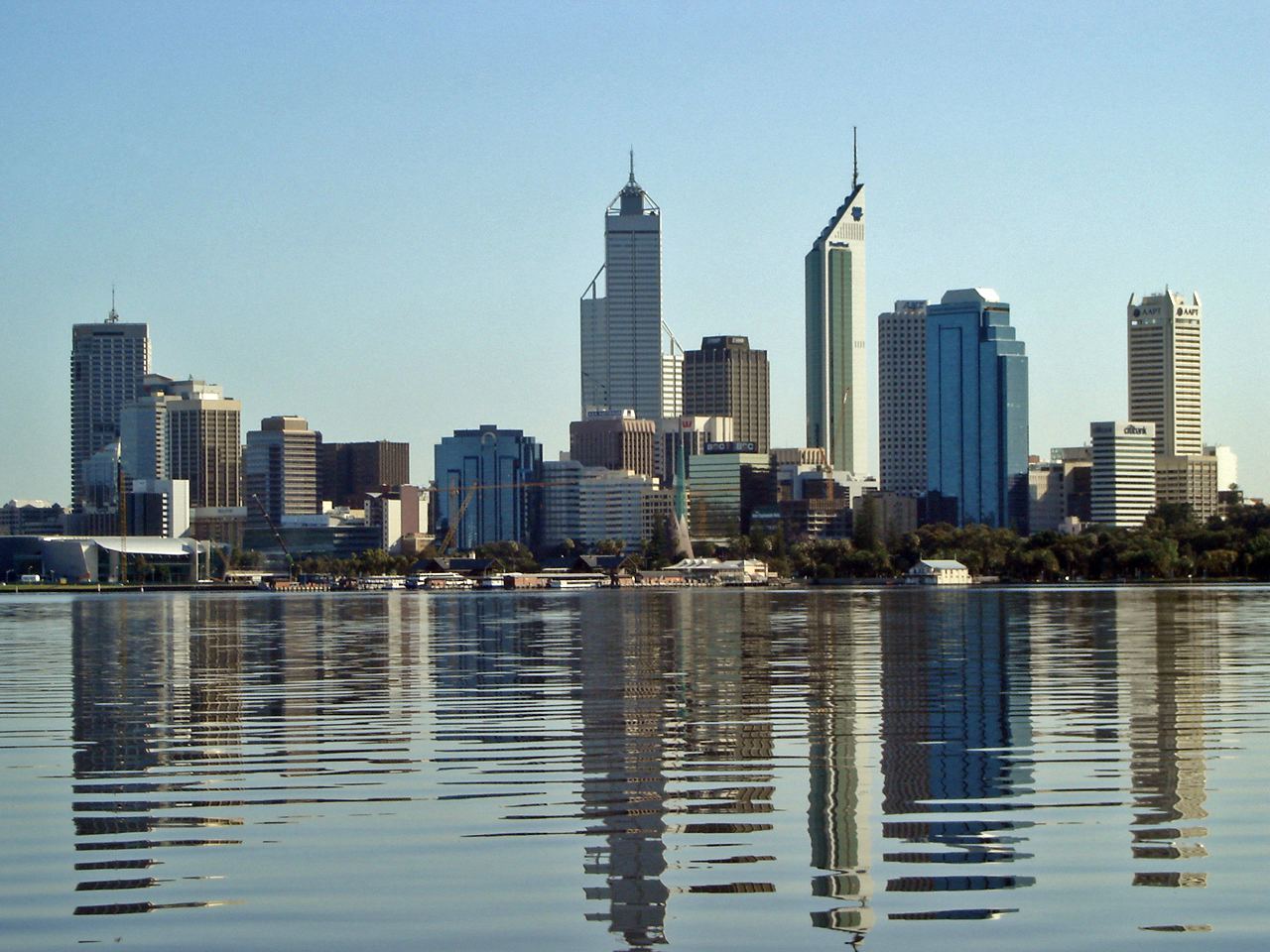
The main gateway for most visitors is Perth Airport, which provides onward connections by road, rail, or domestic flight to most parts of the state. If you are arriving internationally, check flight connections through this gateway before finalising your itinerary.
How to plan Western Australia without rushing
Western Australia needs a clear route choice. For a first visit, base yourself in Perth, then choose one extension: Rottnest and Margaret River, the Coral Coast, Esperance, or the Goldfields. Trying to combine every region in a short visit usually creates long driving days and very little time in the places that make WA special.
Good Western Australia route choices
For a first trip, Perth, Fremantle, Rottnest Island, and Margaret River can work in a week. With two weeks, add the Coral Coast to Kalbarri, Shark Bay, Coral Bay, and Exmouth. If beaches are the priority, build a south-coast route around Albany, Denmark, and Esperance. If you want mining history and outback roads, add Kalgoorlie, Wave Rock, or the Nullarbor crossing instead of treating them as quick detours.
Distances, seasons, and bookings
Distances shape every Western Australia itinerary. Book scarce places early, especially Exmouth, Coral Bay, Esperance in summer, national park campgrounds, and Nullarbor roadhouses. Match the route to the season: spring is excellent around Perth and the south-west, April to October is better for long northern drives, and summer inland heat can make casual sightseeing uncomfortable. A rental car is useful almost everywhere outside central Perth.
Popular planning guides
Use these related guides to keep planning without starting over.
September to November are generally the most comfortable months for a first visit. Seasonal conditions vary across Western Australia, so the ideal timing depends on whether your priorities are urban sightseeing, beach access, hiking, wildlife, or touring wine and food regions.
Travelling during peak holidays can still be worthwhile if your dates are fixed, but accommodation costs more and popular experiences need earlier booking. Shoulder seasons generally offer better value, less crowded attractions, and more comfortable walking and driving conditions.
Getting around Western Australia
Public transport works well within the main gateway city, but a hire car is usually necessary once you start exploring regional areas, wine country, national parks, or smaller coastal towns on your own schedule.
Distances are frequently larger than they appear on a map. Allow extra time for scenic regional drives - you will want to stop for lookouts, food breaks, walks, and photography. Allowing time for these stops usually makes the drive less rushed.
Practical tips
Book accommodation early for peak periods and popular nature parks
Carry water on all outdoor trips - hydration matters more than many visitors expect
Check road conditions and access restrictions before driving to remote areas
Use public transport within the main city and hire a car for regional extensions
Leave at least one flexible day in the schedule for weather changes or a spontaneous stop
Western Australia is best known for Perth's beach lifestyle, Rottnest Island, the wine region around Margaret River, Fremantle's port culture, and the remote Ningaloo Reef where you can swim with whale sharks.
Is Western Australia worth the long flight from the east coast?+
Yes for most travellers. Perth and Margaret River reward a longer stay, and Ningaloo Reef is one of Australia's most accessible and uncrowded reef experiences.
When is the best time to visit Western Australia?+
September to November is ideal for Perth and the south. Ningaloo can be visited year-round, with marine wildlife seasons and summer heat shaping plans. For the Kimberley, May to October is generally the most practical dry-season window. In the wet season, some roads, parks and attractions can close because of flooding. Check current road and park alerts for your route.
Do I need a car in Western Australia?+
Almost certainly yes outside of Perth city. The state's greatest experiences - coastal drives, wine regions, and national parks - require a car or a tour.